Sunday, February 23, 2025

how to create a 100-Day Project focused on finishing all your leftover projects:

 That sounds like an incredibly productive and satisfying project! Here’s how to create a 100-Day Project focused on finishing all your leftover projects:

1. List All Incomplete Projects

Write down everything you’ve started but haven’t completed. These could include:

  • Unfinished artworks, sketches, or paintings 🎨
  • Writing projects, stories, or blog posts ✍️
  • Home DIY or craft projects 🛠️
  • Learning or skill-building exercises you’ve left incomplete (like courses, tutorials, or exercises) 📚
  • Personal or professional goals you haven’t fully worked on 🗂️

2. Categorize the Projects

Group the projects into categories like:

  • Art and Creativity (e.g., unfinished paintings, sketches, or craft projects)
  • Personal Development (e.g., unfinished books, courses, journals)
  • Household/Organization (e.g., room cleaning, organizing, DIY projects)
  • Fitness or Health (e.g., exercise plans or healthy habits)

3. Prioritize & Break Down

  • Prioritize which projects are most important or meaningful to you.
  • Break down each project into smaller, achievable tasks that can be completed in a day or two.
    For example, if you have an unfinished art piece, you might break it into:
    • Day 1: Prep and sketch
    • Day 2: Apply base color
    • Day 3: Add layers/details

4. Set Daily Targets

Decide which project you’ll tackle each day. You can:

  • Work on one project for a few days until it’s completed.
  • Rotate between different types of projects to keep things exciting and avoid burnout.

5. Stay Accountable & Track Progress

  • Use a journal, calendar, or digital tracker (Google Sheets, Trello, or Notion) to record what you accomplish each day.
  • Share your progress online or with a friend for extra accountability! 😊
  • Celebrate each completion, whether big or small.

6. Reflect & Adjust

At the end of each week, reflect on your progress. Did you complete more than you expected? Do you need to adjust your approach? You can always re-prioritize if some projects turn out to be more challenging than anticipated.

7. Reward Yourself

Every time you complete a project (big or small), celebrate with a small treat—like a coffee, a break, or something you enjoy! 🎉

Master Creative Leftovers: The Ultimate 100-Day Challenge 🎨✨

Welcome to my 100-day creative adventure! 🚀 In this challenge, I’m diving into my stash of unfinished projects, abandoned sketches, and leftover materials to turn them into something new and inspiring. From mixed media experiments to reviving old ideas, every day is a chance to create, explore, and push artistic boundaries.

Join me on this journey—watch the process, get inspired, and maybe even start your own creative challenge! Don’t forget to like, comment, and subscribe for daily updates. Let’s turn creative leftovers into masterpieces! 🎭🎨

#100DayChallenge #CreativeLeftovers #ArtTransformation #MixedMedia #ProcessOverPerfection

#100DayProject #CreativeLeftovers #FinishWhatYouStart #ArtChallenge #MixedMediaArt #UnfinishedToFinished #CreativeProcess #DailyArt #ArtJourney #MakeArtEveryDay #ReuseRecycleCreate #ArtGoals #Inspiration #SketchbookChallenge #DIYArt #UpcycleArt #CreativityEveryday

Happy creating, and don’t forget to let your imagination grow! 🍄✨

Follow me on InstagramFacebookPinterest, and YouTube,

The 100-Day Project

The 100-Day Project is a creative challenge where participants commit to doing a small creative act every day for 100 days. The benefits of this project include:

1. Boosts Creativity

  • Encourages consistent creative practice.
  • Helps overcome creative blocks.
  • Allows experimentation and idea generation.

2. Develops Discipline & Consistency

  • Builds a daily habit.
  • Encourages perseverance and time management.
  • Strengthens commitment to long-term goals.

3. Improves Skills

  • Enhances proficiency in a chosen field (art, writing, coding, etc.).
  • Provides an opportunity for self-improvement and mastery.

4. Increases Confidence

  • Daily progress leads to noticeable improvement.
  • Overcoming challenges builds self-assurance.
  • Encourages sharing work with others.

5. Provides a Sense of Accomplishment

  • Completing 100 days fosters a sense of achievement.
  • Helps track personal growth and development.

6. Builds a Portfolio or Body of Work

  • Generates a collection of creative outputs.
  • Useful for professional portfolios, exhibitions, or publishing.

7. Encourages Mindfulness & Focus

  • Promotes present-moment awareness.
  • Helps reduce stress and fosters relaxation.

8. Creates a Supportive Community

  • Many people share their 100-day journey online.
  • Engaging with others offers motivation and inspiration.

Would you like tips on how to start your own 100-Day Project?


bsolutely! Here are some tips to start and succeed in your 100-Day Project:

1. Choose a Simple & Enjoyable Theme

Pick something you love and can realistically do daily, like:

  • Sketching a small doodle
  • Writing a short poem
  • Learning a new word in a language
  • Taking a creative photo

2. Set Clear Goals & Guidelines

  • Define what success looks like (e.g., "I will paint for 10 minutes daily").
  • Keep it small enough to be manageable but meaningful.

3. Prepare Your Materials

  • Gather any supplies you need beforehand.
  • Make the process as convenient as possible.

4. Find a Time & Stick to It

  • Attach it to an existing habit (e.g., after breakfast or before bed).
  • Set reminders to stay on track.

5. Track Your Progress

  • Use a journal, calendar, or social media to document your journey.
  • Seeing progress will keep you motivated!

6. Embrace Imperfection

  • Done is better than perfect—focus on consistency, not perfection.
  • Some days will be harder than others, and that's okay!

7. Join a Community or Share Your Work

  • Posting online (#100dayproject) can boost accountability.
  • Engaging with others can be inspiring and fun.

8. Celebrate Milestones

  • Reward yourself every 10 or 25 days.
  • Reflect on how much you've grown.

Would you like help choosing a project idea based on your interests? 😊


Yes! Tell me about your interests, and I’ll suggest a 100-Day Project that suits you. 😊

Are you into art, writing, photography, self-improvement, fitness, or something else? Let me know what excites you! 🎨📸✍️🏋️‍♂️

ART

That’s awesome! Here are some 100-Day Project ideas for art:

Drawing & Illustration

  • 100 Sketches – Quick daily sketches of anything.
  • 100 Faces – Portraits of different expressions, ages, or styles.
  • 100 Objects – Everyday items in different styles.

Painting & Color Exploration

  • 100 Color Studies – Experimenting with different color palettes.
  • 100 Abstract Paintings – Expressing emotions through color and texture.
  • 100 Watercolor Experiments – Exploring techniques like wet-on-wet, gradients, etc.

Creative Challenges

  • 100 Days of Doodles – Fun, freeform doodling every day.
  • 100 Mini Canvases – Tiny artworks, quick yet meaningful.
  • 100 Days of Patterns – Creating a new pattern or design daily.

Mixed Media & Digital Art

  • 100 Collages – Combining different textures and elements.
  • 100 Digital Paintings – Exploring digital tools and techniques.
  • 100 Art Journal Entries – Blending words, sketches, and paint.

Themed Art

  • 100 Days of Mythical Creatures – Drawing legends and folklore beings.
  • 100 Days of Food Art – Sketching or painting delicious meals.
  • 100 Days of Architecture – Urban sketches or imaginative buildings.

Would you like help picking one based on your favorite medium? 😊

MIX MEDIA ART

Great choice! Mixed media allows for endless creativity. Here are some 100-Day Project ideas for mixed media art:

1. 100 Days of Collage Art

  • Use magazines, newspapers, fabric, or found materials.
  • Explore themes like emotions, nature, or abstract compositions.

2. 100 Art Journal Pages

  • Combine painting, drawing, stamping, and handwritten words.
  • Use each page to express thoughts, daily reflections, or inspirations.

3. 100 Textured Experiments

  • Work with different materials like fabric, sand, modeling paste, or foil.
  • Create tactile, 3D art pieces on paper, wood, or canvas.

4. 100 Days of Layering

  • Mix watercolor, ink, acrylics, pastels, and collage in layers.
  • Experiment with transparency, depth, and contrast.

5. 100 Postcard-Sized Artworks

  • Small mixed media pieces (4x6 inches) to keep it manageable.
  • Play with themes like travel, nostalgia, or dreamscapes.

6. 100 Found Object Artworks

  • Use unconventional materials (ticket stubs, pressed leaves, fabric scraps).
  • Integrate these into paintings or assemblages.

7. 100 Days of Handmade Paper or Texture Studies

  • Experiment with creating textures using gesso, stencils, and stamping.
  • Make unique surfaces for future artworks.

Would you like help deciding on a specific idea, or do you prefer combining multiple techniques? 😊


Let's narrow it down based on your preferences! 😊

  1. Do you prefer working small (like postcards) or larger (journals or canvases)?
  2. Are you drawn to specific materials (e.g., paper, fabric, found objects, paint, ink)?
  3. Would you like a theme (e.g., emotions, nature, dreams, abstract, storytelling)?
  4. Do you want something structured (like a daily prompt) or more freeform?

 Here are some similar topics to #100DaysOfFinishing that you could explore for a YouTube series or challenge:

1. #100DaysOfCreativity

Commit to doing something creative every day for 100 days — whether it’s drawing, painting, writing, or crafting. This could be a great way to build consistency and improve your skills!

2. #100DaysOfProductivity

Focus on becoming more productive by setting daily goals and achieving them. Each day, work on a specific task or project, whether personal or professional, and track your progress.

3. #100DaysOfSelfCare

Dedicate 100 days to improving your mental and physical well-being. This could include daily self-care rituals, meditation, exercise, or trying out new wellness practices.

4. #100DaysOfLearning

Pick a skill or subject you’ve always wanted to learn and commit to it for 100 days. Whether it’s learning a language, mastering a new software, or improving your photography, this could be a great way to build knowledge over time.

5. #100DaysOfMinimalism

Challenge yourself to declutter and simplify your life over the course of 100 days. Tackle one area of your home, work, or mind each day to create more space and clarity.

6. #100DaysOfMindfulness

Commit to practicing mindfulness daily for 100 days. Whether it’s through meditation, journaling, or focusing on being present, this challenge could help you cultivate a calm and centered mindset.

7. #100DaysOfGratitude

Spend 100 days practicing gratitude by reflecting on what you’re thankful for every day. You could write it down in a journal or share it with others to inspire positivity.

8. #100DaysOfFitness

Challenge yourself to get fit by doing a different exercise or activity every day for 100 days. Whether it’s yoga, running, or strength training, this can help improve your health and endurance.

9. #100DaysOfArt

Complete a new art project or piece every day for 100 days. It could be drawing, painting, sculpture, or any other form of art. This will help you develop your skills and push your creativity further.

10. #100DaysOfWriting

Commit to writing something every day for 100 days. Whether it’s a short story, a blog post, poetry, or journaling, this will help you sharpen your writing and create new content regularly.

11. #100DaysOfGratitudeJournaling

Keep a daily gratitude journal for 100 days, reflecting on the positive things in your life, big or small. It’s a great way to improve your mindset and overall happiness.

12. #100DaysOfGrowth

Focus on personal development for 100 days. Work on your mindset, habits, and goals, and track your progress throughout the challenge.

13. #100DaysOfCooking

Challenge yourself to cook something new every day for 100 days! Whether it’s new recipes or cooking techniques, you’ll improve your culinary skills.

14. #100DaysOfCommunity

Devote 100 days to helping others in your community — whether through volunteering, small acts of kindness, or starting a community project.

15. #100DaysOfReading

Make reading a habit by dedicating 100 days to reading a certain amount of pages or books each day. It’s a great way to expand your knowledge or enjoy your favorite stories!

#100DayProject #CreativeLeftovers #FinishWhatYouStart #ArtChallenge #MixedMediaArt #UnfinishedToFinished #CreativeProcess #DailyArt #ArtJourney #MakeArtEveryDay #ReuseRecycleCreate #ArtGoals #Inspiration #SketchbookChallenge #DIYArt #UpcycleArt #CreativityEveryday

These challenges are not only fun but also great ways to build habits, improve yourself, and create something meaningful over time. Which one are you thinking about trying next? 😊


Happy creating, and don’t forget to let your imagination grow! 🍄✨

Follow me on InstagramFacebookPinterest, and YouTube,

Thursday, January 16, 2025

Capture Your Winter Wonderland Memories: The Ultimate Snow Day Photo Album!


Capture Your Winter Wonderland Memories: The Ultimate Snow Day Photo Album!


Capture Your Winter Wonderland Memories: A DIY Snow Day Paper Photo Album Tutorial

Preserving your snow day memories in a handmade paper photo album is a creative and personal way to cherish those magical moments. Follow this step-by-step guide to craft your own photo album and stick your photos in style!


What You’ll Need

  • Photos of Your Snow Day: Printed in various sizes for variety.
  • Cardstock or Thick Paper: For the pages of your album.
  • Decorative Paper: For the cover or embellishments.
  • Glue Stick or Double-Sided Tape: For sticking your photos.
  • Scissors or Craft Knife: To trim photos and paper.
  • Hole Punch and Ribbon/String: For binding the album.
  • Markers, Stickers, and Washi Tape: For decoration.
  • Optional: Stamps, glitter, or pressed leaves for extra flair.

Step 1: Create the Album Pages

  1. Cut the Cardstock: Decide on the size of your album (e.g., 6x6 inches or 8x10 inches) and cut your cardstock accordingly.
  2. Prepare Enough Pages: Include enough sheets for all your photos, plus a few extra for decorative title or memory pages.

Step 2: Design the Cover

  1. Use thicker paper or cardboard for the cover.
  2. Decorate it with winter-themed stickers, handwritten titles like "Snow Day Memories", or cutouts from decorative paper.
  3. Add the date of your snow day for a personal touch.

Step 3: Bind the Album

  1. Punch two or three evenly spaced holes along the left side of your pages and cover.
  2. Thread ribbon or string through the holes and tie securely. Adjust the tightness to ensure the album can open and close easily.

Step 4: Arrange and Stick Your Photos

  1. Plan the Layout: Before gluing, lay out your photos on each page to decide on the arrangement.
  2. Stick Photos: Use a glue stick or double-sided tape to attach the photos to the pages. Ensure they’re firmly secured.
  3. Leave space for captions or decorative elements around each photo.

Step 5: Add Personal Touches

  1. Write captions under the photos to describe the moment or your feelings.
  2. Use washi tape to frame photos or create borders.
  3. Add stickers, glitter, or small pressed leaves for a wintery vibe.
  4. Create themed pages, such as "Building a Snowman" or "Sledding Adventures."

Step 6: Include Memory Pages

Dedicate a few pages to other snow day memorabilia:

  • Quotes or Journal Entries: Write about what made the day special.
  • Small Keepsakes: Attach items like a piece of ribbon from your winter scarf or a drawing from a child.
  • Decorative Sections: Use stamps, doodles, or printed winter illustrations.

Step 7: Final Touches

  1. Flip through the album to ensure everything is secure.
  2. Add any final decorations to the cover or inside pages.
  3. Tie the ribbon or string tightly, and trim any excess for a neat finish.

Why Make a Paper Photo Album?

A paper photo album is more than just a place to store pictures—it’s a personalized keepsake that reflects your creativity and the joy of your snow day. Unlike digital albums, this tactile experience brings memories to life every time you turn the pages.

So, gather your supplies, print those snowy snapshots, and start crafting your ultimate snow day photo album. Your winter wonderland memories deserve to shine!

What’s your favorite way to decorate a photo album? Share your tips in the comments!


 Happy creating, and don’t forget to let your imagination grow! 🍄✨

Follow me on InstagramFacebookPinterest, and YouTube

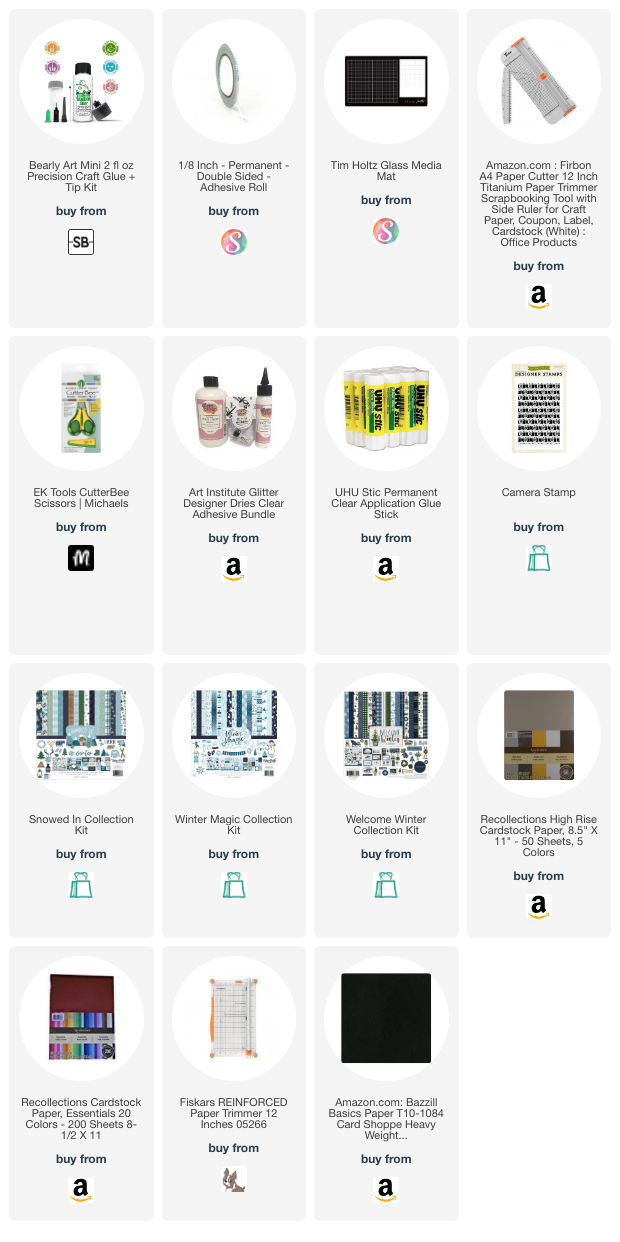
I get asked a lot about where to purchase the supplies I use in my videos and blog posts. I list all the supplies I use at the end of my posts (below) 

SUPPLIES

Wednesday, November 6, 2024

Dive into the World of Mushroom Mixed Media - Stamping, Coloring, and More!


Dive into the World of Mushroom Mixed Media - Stamping, Coloring, and More!


Introduction: Mushrooms are more than just fungi—they’re nature’s art, growing in unique shapes and captivating colors that make them perfect for creative projects. Bringing mushroom elements into mixed media art opens up a world of possibilities. From textured stamping to vibrant coloring and DIY mushroom paper, there’s so much you can do. In this blog post, we’ll explore some fun ways to incorporate mushrooms into your art, whether you’re a beginner or a seasoned creator. Let’s dive in!

1. Stamping Mushrooms for Intricate Layers and Patterns

  • What You’ll Need: Mushroom stamps, ink pads in various colors, acrylic blocks, embossing powder (optional).
  • Technique: Stamping is an easy way to create quick, detailed mushroom shapes in your layout. Choose a mix of mushroom stamps to add variety to your art. Start by stamping with ink pads for a colorful base, then experiment with embossing powder for added texture and shine.
  • Tips: Try stamping on vellum or tracing paper to create a layered, translucent effect that mimics the natural world’s softness. These layers can be glued over other elements to create depth.

  • you can watch the full video tutorial here


2. Coloring Mushrooms: Experiment with Different Mediums

  • What You’ll Need: Watercolors, colored pencils, markers, or acrylic paint.
  • Technique: Coloring lets you explore the beauty and diversity of mushroom species, from earthy tones to vibrant reds and purples. Watercolors are great for soft, blended effects, while acrylics or markers give a bolder, saturated look. Try blending multiple colors to mimic the gradient effect often seen on mushroom caps.
  • Tips: For a realistic look, layer your colors gradually. Start light and build up to deeper shades. Colored pencils can add fine details, such as the spots and striations on mushroom caps.


3. DIY Mushroom Paper: Create Custom Backgrounds

  • What You’ll Need: Fresh or dried mushrooms, paper pulp, blender, water, screen frame.
  • Technique: Making your own paper with mushrooms is a fantastic way to bring a natural, earthy texture into your artwork. Blend mushrooms with paper pulp to create a unique paper base. Pour the pulp mixture onto a screen frame, spread it out, and let it dry to create a textured background.
  • Tips: Press leaves, dried flowers, or thin mushroom slices into the pulp for extra texture and visual interest. Use this handmade paper as the background for your layout, or cut it into smaller shapes to layer into your artwork.


4. Creating Layered Mixed Media Layouts

  • What You’ll Need: Gesso, gel medium, washi tape, brushes, stencils, mushroom-inspired stamps, and your handmade mushroom paper.
  • Technique: To pull everything together, start by preparing a blank canvas with a coat of gesso. Then, start layering your elements: stamped mushrooms, handmade mushroom paper, washi tape, and stencils for added dimension. Use gel medium to adhere various layers, and experiment with positioning different textures and colors.
  • Tips: Balance smooth and rough textures, matte and shiny surfaces, and neutral and bright colors. Let each layer dry fully before adding the next for a polished, professional look.


Conclusion:

Exploring mushrooms in mixed media opens up so many creative possibilities. Whether you’re stamping, coloring, making your own paper, or layering different elements, each technique brings a unique flair to your work. With a little inspiration and some experimentation, you can create a mixed-media piece that captures the beauty and mystery of mushrooms.


Happy creating, and don’t forget to let your imagination grow! 🍄✨

Follow me on InstagramFacebookPinterest, and YouTube,

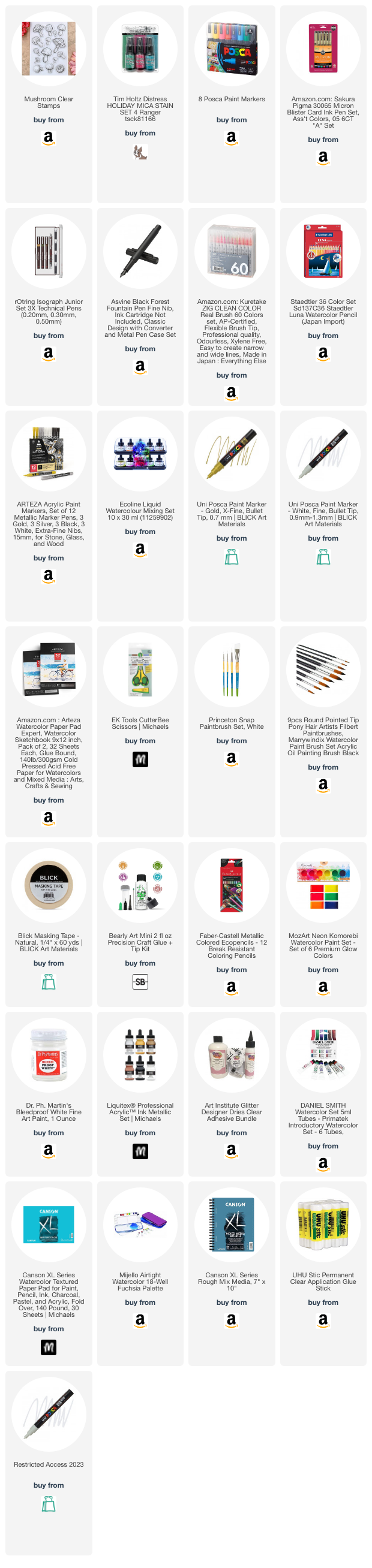
I get asked a lot about where to purchase the supplies I use in my videos and blog posts. I list all the supplies I use at the end of my posts (below) 

SUPPLIES

Dive into the World of Mushroom Mixed Media - Stamping, Coloring, and More!

 Dive into the World of Mushroom Mixed Media - Stamping, Coloring, and More!

Introduction: Mushrooms are a captivating theme for any mixed media project! From their intriguing shapes and colors to the different ways you can incorporate them into art, mushrooms offer endless inspiration. In this blog post, we’ll dive into how to create layered mixed-media pieces with mushrooms as the focal point. We’ll explore various techniques like stamping, coloring, growing your own, and making custom paper—perfect for artists of all levels.

1. Stamping Mushrooms: Add Texture and Dimension

  • Supplies Needed: Mushroom stamps, ink pads, acrylic blocks, embossing powder (optional).
  • Technique: Stamping is a fantastic way to introduce mushrooms to your layout. Choose different mushroom stamp designs for variety. Use multiple colors of ink to create layers. If you want to add texture, sprinkle embossing powder over stamped areas while the ink is wet, then heat-set for a raised effect.
  • Tips: Try stamping mushrooms on tracing paper or vellum, then layer them on top of your background to add a soft, ethereal effect.


2. Coloring Mushrooms: Experiment with Different Mediums

  • Supplies Needed: Watercolors, colored pencils, markers, acrylic paint.
  • Technique: Coloring mushrooms lets you play with a range of mediums. Start with watercolors for a soft look, or use acrylics for vibrant, opaque colors. Try blending different shades to mimic the natural gradients found on mushroom caps.
  • Tips: Color different types of mushrooms in unique styles. For example, use bright colors for a whimsical look or earthy tones for a more realistic touch.


3. Making Mushroom Paper: Create Unique Backgrounds

  • Supplies Needed: Mushrooms (dried or fresh), pulp or paper-making kit, water, blender, screen frame.
  • Technique: Mushroom paper can give your layout a natural, earthy texture. Blend mushrooms with other materials to create a unique paper pulp. Pour the pulp onto a screen frame and spread evenly, then allow it to dry completely.
  • Tips: Press leaves, small twigs, or pressed mushroom slices into the pulp for added texture and a more layered look. Once dry, use the paper as a background or cut it into shapes to layer within your composition.
  • you can watch the full video tutorial here


4. Creating Layered Mixed Media Layouts: Pull It All Together

  • Supplies Needed: All of the above, plus gel medium, gesso, brushes, palette knife, patterned papers, washi tape, and stencils.
  • Technique: Begin with a blank canvas and apply a layer of gesso to prepare the surface. Layer on your mushroom paper, add stamped elements, and use different coloring techniques to build your composition. Use gel medium to adhere paper layers and washi tape to add accents. Apply stencils with a palette knife for more depth.
  • Tips: Work in layers, letting each element dry before adding the next. Experiment with different textures—rough vs. smooth, matte vs. shiny—to keep the viewer’s eye moving.

Conclusion:

Exploring mixed media with mushrooms is a rewarding way to experiment with techniques and textures. With stamping, coloring, growing, and paper-making, you’ll create a piece that’s not only visually engaging but deeply connected to nature. So gather your supplies, let your imagination run wild, and enjoy the creative journey of mushroom-inspired mixed media!

Follow me on InstagramFacebookPinterest, and YouTube,

I get asked a lot about where to purchase the supplies I use in my videos and blog posts. I list all the supplies I use at the end of my posts (below) 

SUPPLIES

Exploring Mushrooms in Mixed Media: Stamping, Coloring, and Paper-Making!

 Exploring Mushrooms in Mixed Media: Stamping, Coloring, Growing, and Paper-Making!


Mushrooms are not only fascinating in nature but can also bring a unique flair to mixed media projects! From using them as stamps to growing them and making papers inspired by them, there’s no end to the creative possibilities. Here’s how to dive into mushrooms in mixed media, using various art supplies and techniques for beautiful, layered compositions.


1. Stamping Mushrooms

Supplies: Mushroom-themed stamps, ink pads, acrylic paints, foam brush, and paper.

Stamping is a fantastic way to start a mixed-media layout. Mushroom stamps come in different shapes, sizes, and styles, allowing you to add both bold and subtle impressions. Here's how:

  • Experiment with Ink Pads and Acrylic Paints: Ink pads give a crisp look, while acrylic paints provide texture and can be layered for depth.
  • Try Foam Brushes for Blending: Use foam brushes to dab different colors onto the stamp, creating a watercolor-like effect.
  • Stamp Repeated Patterns: Layer stamps in different directions to create a mushroom-filled forest background.


2. Coloring Techniques for Mushrooms

Supplies: Watercolors, colored pencils, markers, pastels.

Coloring brings out the vibrant, whimsical side of mushrooms. There are endless options to explore:

  • Watercolor Washes: Light washes bring a soft, dreamy quality. Build color intensity gradually to show details.
  • Marker Blending: Use markers with different tips for detailed textures. Try blending lighter and darker shades to mimic real mushroom spots.
  • Colored Pencils and Pastels: Layering pencils can add depth and dimension, while pastels can be blended for soft edges.

  • you can watch the full video tutorial here


3.Mushrooms for Inspiration

Supplies: Mushroom- photo journal or sketchbook.

  • Texture Studies: Examine and sketch mushroom gills, stems, and caps to inspire textural elements in your mixed media.
  • Color Matching: Notice the earthy colors and attempt to replicate them in your art with paints, inks, or pastels.

4. Making Mushroom-Inspired Paper

Supplies: Recycled paper, water, mushroom spores or natural dyes, blending tool, mold and deckle.

Hand-made paper is an excellent base for mixed media. Add a bit of mushroom essence by using spores, natural dyes, or textures inspired by mushrooms.

  • Add Natural Elements: Mix in tiny mushroom bits or natural pigments in earthy tones (browns, greens, reds).

5. Combining All the Layers in a Mixed Media Layout

  • Start with the Stamped Background: Layer different mushroom stamps as your base.
  • Add Colored Mushroom Shapes: Cut out or draw colored mushrooms, giving depth by layering them with foam tape or gel medium.
  • Use Hand-Made Paper as a Canvas: Place your hand-made mushroom paper as a base or accent, making it the focal point.
  • Blend Different Mediums: Use watercolors to add shadows and highlights, creating a cohesive look.

Final Tips

Mixing various supplies and techniques can feel overwhelming, so start small. Focus on one or two techniques at first, then build up your layers as you feel more confident. By incorporating the textures, colors, and life cycles of mushrooms, you’ll create art that feels rich, layered, and alive!

Happy crafting! 🍄

Follow me on InstagramFacebookPinterest, and YouTube,

I get asked a lot about where to purchase the supplies I use in my videos and blog posts. I list all the supplies I use at the end of my posts (below) 

SUPPLIES

Wednesday, October 9, 2024

Spice Up Your Art With Mix Media Collage Soup Books Featuring Indian Beauties!


Are you looking to add some zest and vibrancy to your artistic creations? Imagine combining the vibrant colors, textures, and stories of Indian culture with the endless possibilities of mixed media art. That's where the idea of "Mix Media Collage Soup Books" comes in—an innovative way to spice up your art by celebrating Indian beauties in all their traditional and contemporary glory!

What is a Mix Media Collage Soup Book?

A "soup book" in the art world is a delightful explosion of ideas, techniques, and materials thrown into one expressive, artistic project. In this case, a Mix Media Collage Soup Book is a sketchbook or journal where various forms of mixed media art come together to create an intricate, beautiful tapestry of visual storytelling. You can use paint, fabrics, paper cutouts, photographs, and even digital designs to create a stunning array of layered compositions.

The beauty of a "soup" approach is its versatility. It’s a place where anything goes—textured papers, bold prints, recycled materials, and even spices (yes, literal spices!) can make their way into your pages.


Why Indian Beauties?

India is known for its rich cultural diversity, stunning landscapes, and vibrant traditions. From the elegance of classical Indian dance to the boldness of modern Bollywood fashion, Indian beauties—both in person and in concept—are a source of endless inspiration for artists worldwide.

By incorporating Indian beauty into your mixed media collage, you're not only paying tribute to this incredible culture, but also adding rich colors, ornate designs, and layered stories that evoke emotion and thought. Indian attire, traditional jewelry, henna patterns, and vivid festivals all offer a treasure trove of visual elements to include in your art.

Elements to Include in Your Collage:

  • Vibrant Colors: Think bold hues like saffron yellow, vermilion red, deep indigo, and emerald green. These colors are often seen in traditional Indian clothing, festivals, and art.

  • Textured Fabrics: Sari pieces, brocade, or handwoven textiles make great additions to your collage pages. The richness of these fabrics will bring depth to your work.

  • Patterns and Symbols: Indian culture is full of intricate patterns, from mandalas to henna designs, which add visual interest and symbolism. Incorporate these into your backgrounds or as focal points in your art.

  • Photographs and Portraits: You can add images of classical Indian dancers, Bollywood stars, or even historical figures like princesses and queens to your collage. Mix them with paint, textured paper, or stitching for a unique take.

  • Natural Elements: Use dried flowers, spices like turmeric and saffron, or even leaves to add an earthy, aromatic layer to your art. These elements will evoke the essence of India’s natural beauty and traditions.

How to Get Started:

  1. Pick a Theme: Is your collage book going to focus on traditional Indian fashion? Bollywood glam? Historical beauties from Indian folklore? Or perhaps a mix of all? Decide on a central theme to guide your artistic choices.

  2. Gather Materials: Collect a variety of mixed media elements that reflect your theme. This could include magazine cutouts, fabrics, paints, and any found objects that inspire you.

  3. Play with Layouts: Experiment with layering different textures, images, and colors. There are no rules here—let your creativity flow and mix elements that feel right together.

  4. Embellish: Add fine details like glitter, sequins, or hand-drawn elements to give your collage extra dimension. Embellishments help to elevate the overall composition and bring your vision to life.

  5. Finish with a Story: Every collage tells a story. Whether you're creating a visual ode to Indian women’s beauty, strength, and grace, or highlighting the contrasts between old and new India, make sure your final piece resonates with the deeper narrative you wish to express.

Why This Matters:

Art is more than just a visual medium; it’s a way to communicate, to tell stories, and to preserve culture. By creating a Mix Media Collage Soup Book featuring Indian beauties, you're not only making a beautiful piece of art—you’re also engaging with and learning about the cultural significance behind the designs, colors, and symbols that have shaped India for centuries.

So go ahead, let your imagination run wild, and spice up your art with the beauty of India in a whole new way! Your Mix Media Collage Soup Book is bound to be a feast for the eyes and a celebration of culture, beauty, and artistic freedom.


Follow me on InstagramFacebookPinterest, and YouTube,

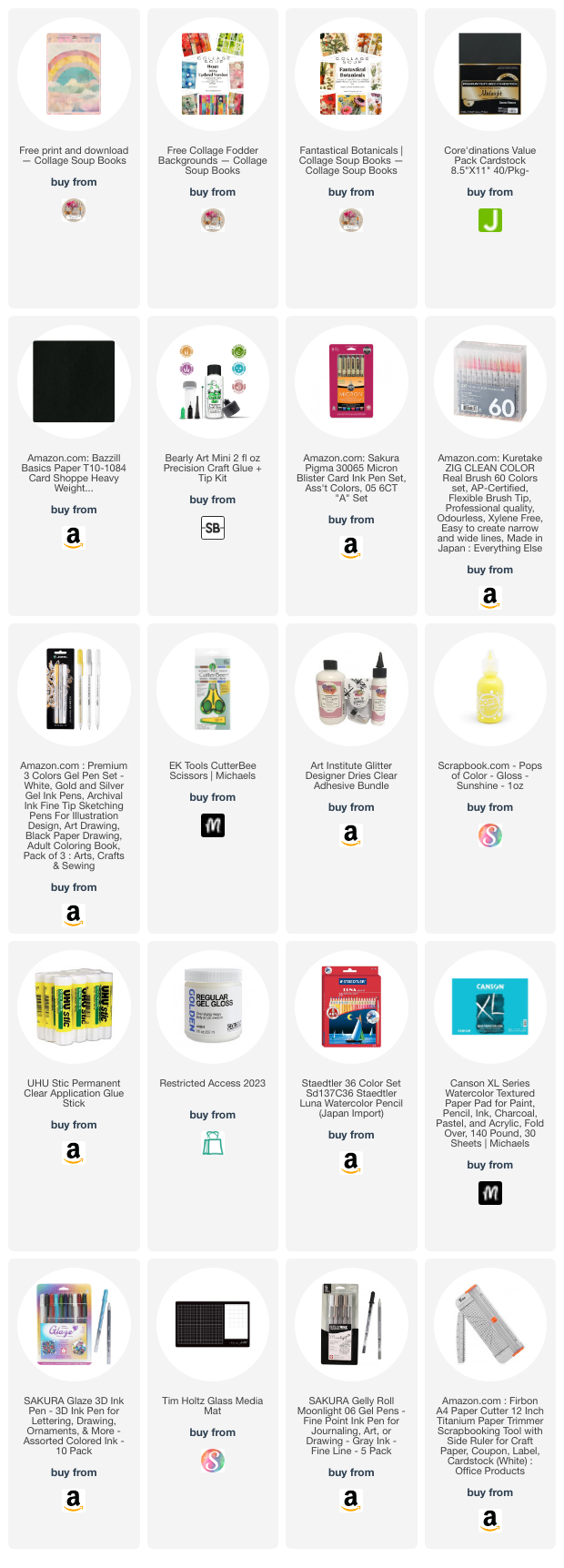
I get asked a lot about where to purchase the supplies I use in my videos and blog posts. I list all the supplies I use at the end of my posts (below) 

SUPPLIES