Showing posts with label paint and create. Show all posts

Saturday, April 4, 2026

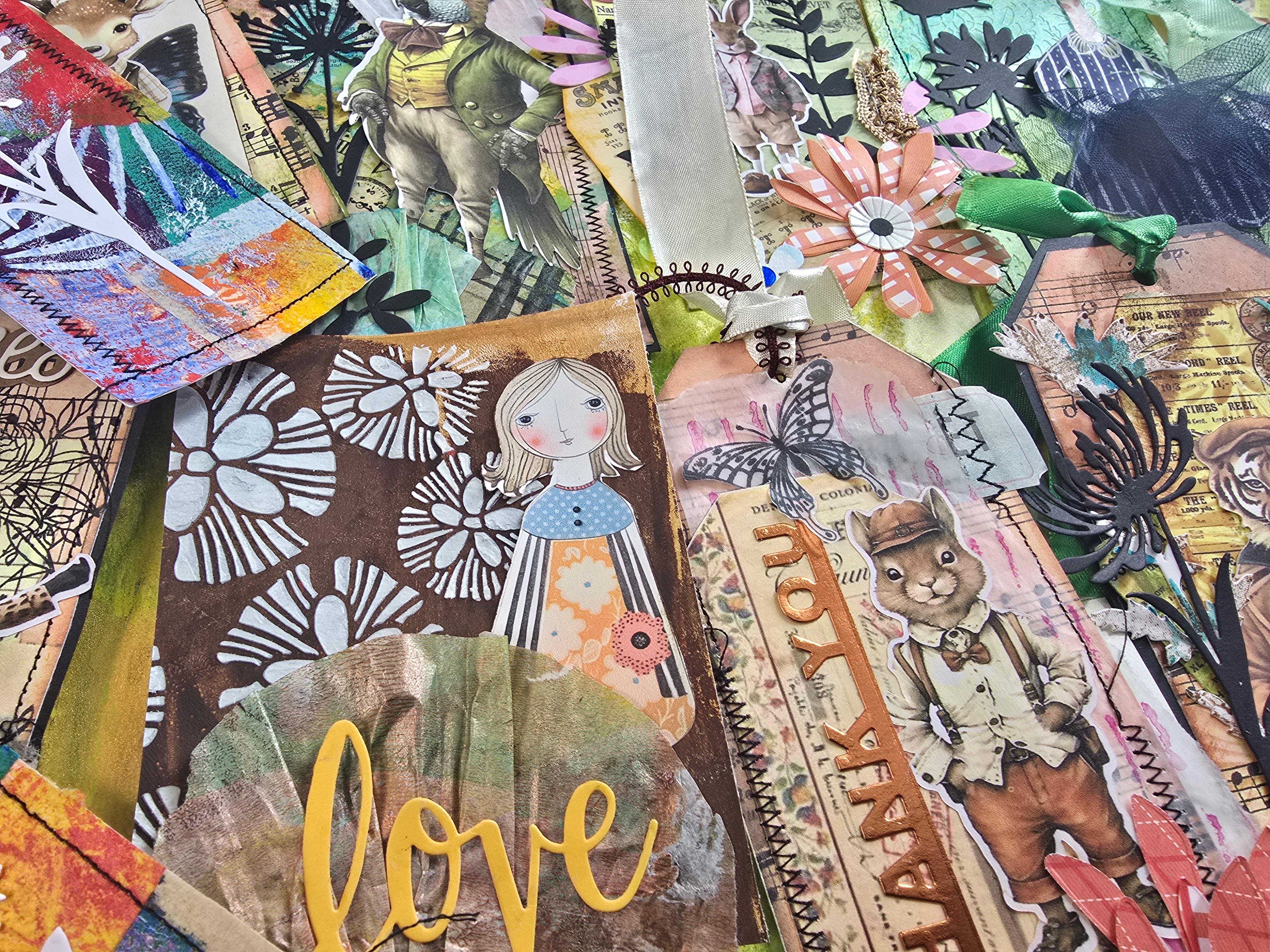
I Created Amazing Mixed Media Collage Art with Fodder School 5


I created an amazing MixMedia Collage Art with Fodder School 5

If you've ever found yourself lost in the joy of layering paper, splashing paint, and creating something from scraps and textures, then you’ll know the thrill I felt diving into my latest mixed-media collage project with Fodder School 5


Want to see the full process in action?
👉 Watch the video tutorial here!


What is Fodder School?

Fodder School is a year-long, online mixed media art course that brings together inspiring teachers from around the world. Each month, a new instructor shares their process for creating collage fodder and a finished project. Fodder School 4 (this year’s edition) is packed with fresh ideas, techniques, and playful prompts that have been pushing me creatively in all the best ways.

Whether you're new to mixed media or a seasoned artist, there’s something magical about being part of this global community of collage lovers. The best part? There’s no “right” way to do it—just endless opportunities to experiment and explore.


My Creative Process

For this particular project, I started by making my own collage fodder:

  • painted papers

  • stamped textures

  • vintage book pages

  • tissue paper layers

  • scraps from past projects

I loved mixing up materials—some handmade, some found—to create a truly personal collection of collage elements. There’s something so satisfying about turning leftover bits into something beautiful and cohesive.

Once I had my pile of fodder ready, I moved on to creating a layered background using acrylics and gesso. I followed the lead of the month’s Fodder School teacher, adapting their techniques in my own way. I played with color, placement, and texture—trusting the process and letting the piece evolve organically.


What I Learned

One of the biggest lessons I’ve learned from Fodder School is that there’s beauty in imperfection. It’s easy to get caught up in trying to make everything look "right," but collage is all about happy accidents and letting the materials guide you.

Fodder School 4 has also taught me to slow down and really enjoy the making—every tear, every brushstroke, every decision feels like an act of creativity.

Final Thoughts

Creating this mixed media collage has been such a joyful experience. It reminded me why I love this kind of art: it’s expressive, intuitive, and deeply satisfying. If you're curious about mixed media or looking for a community to grow your creative practice, I highly recommend checking out Fodder School.

Are you part of Fodder School too? Have you tried your hand at mixed media collage? I’d love to hear your thoughts in the comments!

Until next time—keep creating, keep exploring, and don’t be afraid to make a beautiful mess. 🎨

Monday, June 9, 2025

What are some tips for packing embroidery supplies for air travel


What are some tips for packing embroidery supplies for air travel

Here are some expert tips for packing embroidery supplies for air travel:


Packing Tips for Embroidery Supplies on Airplanes

Use TSA-approved travel scissors: Choose small scissors under 6 inches like Fiskars folding travel scissors or thread snips with blunt tips, which are less likely to be confiscated at security.


Carry extra needles and use a magnetic needle minder: Pre-thread several needles and keep them secure in a needle case or with a magnetic needle minder to avoid losing them during the flight.


Organize floss and tools in compact containers: Use small hinged tins or thread storage boxes to keep floss, needles, and tools tidy and easy to access in your carry-on.


Prepare your project before travel: Cut fabric to size, transfer patterns, wind thread on bobbins, and stretch fabric in your hoop at home to minimize what you need to bring and simplify stitching on the plane.


Pack a project pouch: An A5-sized pouch can hold a 5-inch hoop, fabric, thread, and tools, keeping everything organized and portable.


Select projects with similar color palettes and only bring the thread you need: This reduces the amount of floss you carry and allows you to switch between projects without overpacking.


Be mindful of airline restrictions: Check airline and TSA rules about scissors and sharp objects before packing. Some travelers carry scissors they are willing to part with if confiscated or use alternative thread cutters.


Use a drawstring bag or scrappy project bag: These provide secure, attractive storage that prevents supplies from spilling in your carry-on.


Consider thread gloss for easier needle threading: Especially useful when wearing a mask on the plane, thread gloss helps tame floss ends for easier threading without needing to put your mask down.


Keep metal items visible and separate: Store scissors, needles, and other metal bits in a clear bag or separate container to ease TSA inspections and avoid delays.


Summary

Pack a compact, well-organized kit with TSA-compliant scissors or snips, extra needles secured with a magnetic minder, pre-prepped fabric and thread, and use small tins or pouches for easy access. Always check airline restrictions beforehand and consider alternatives like thread gloss and thread cutters to streamline your travel embroidery experience. This approach ensures smooth security checks and enjoyable stitching during your flight


TRAVEL EMRODARY KIT DOS AND DON'TS

ane seats or car rides

Don'ts for a Travel Embroidery Kit

Don’t start stitching without a hoop: Stitching without a hoop can lead to uneven tension and puckered fabriC

Don’t bring too many supplies: Avoid overpacking; bring only what you need to save space and reduce frustration

Don’t use blunt or old needles: These can damage fabric and thread, making stitching harder and less enjoyable

Don’t lose your needles: Losing needles while traveling can be stressful and dangerous, so always store them securely and put them back in their case when not in use

Don’t rely on flimsy storage: Avoid using ziplock bags alone as they may not be durable or secure enough; instead, use sturdy project bags or tins

Summary

A well-prepared travel embroidery kit should be compact, organized, and secure, including a small hoop, sharp needles, selected floss, fabric pre-cut and pressed, travel-friendly scissors, and a reliable storage solution. Prepare as much as possible before leaving home to maximize stitching time and minimize hassle. Secure needles carefully to avoid loss or injury, and pack only what you need to keep your kit manageable and enjoyable on the go


What are some alternatives to traditional scissors for travel


Here are some practical alternatives to traditional scissors for travel embroidery and needlework:


Thread snips: Small, spring-loaded thread snips are popular for travel because they are compact and easy to use for quick thread trimming. They often have a blade length short enough to pass TSA screening and are less likely to be confiscated.


Fingernail clippers: Many travelers use fingernail clippers to cut threads or small ties, especially when scissors are not allowed. Clippers without attached files are less likely to be confiscated and can serve as a handy cutting tool.


Small folding scissors: While technically scissors, tiny folding scissors (like Dritz travel scissors) fold to a compact size and are often allowed in carry-on luggage. However, confiscation can be random, so it’s best not to bring expensive or irreplaceable pairs.


Thread cutters worn as pendants: Some thread cutters are designed as pendants or keychains with a small blade inside a protective housing, making them travel-friendly and easy to carry around the neck.


Dental floss containers with built-in cutters: These can be used to snip threads and are generally TSA-friendly since they are not traditional cutting tools.


Using larger tapestry needles as laying tools: For certain tasks like flattening threads, a larger needle can substitute for specialized tools that might not be allowed in carry-on bags.


In summary, thread snips and fingernail clippers are the most common and TSA-friendly alternatives to traditional scissors for travel embroidery. Small folding scissors and pendant-style thread cutters are also options but may carry some risk of confiscation depending on airport security. Packing inexpensive or replaceable cutting tools minimizes loss risk during air travel.

WHAT IS DIFFERENCE BETWEEN SLOW STICHING AND EMRODORY

The difference between slow stitching and embroidery lies primarily in their purpose, approach, and mindset:


Embroidery

Embroidery is the general art or craft of decorating fabric or other materials with needle and thread or yarn, often to create detailed, decorative patterns or images.


It can be done by hand or machine and typically aims for a polished, finished product, often with precise and sometimes complex stitches.


Embroidery is focused on embellishment and can include a wide range of techniques and styles, often emphasizing skill and aesthetics.


Slow Stitching

Slow stitching is a mindful, meditative practice that emphasizes the process of stitching rather than the finished product.


It involves hand stitching in a relaxed, unhurried way, often using simple running stitches or freeform stitches, and embracing imperfections.


Rooted in traditions like Japanese Boro and Sashiko, slow stitching encourages connection to the moment, mindfulness, creativity, and sustainability by using scraps or mending existing fabrics.


The goal is to slow down, enjoy the tactile experience, and find calm and presence through stitching, rather than focusing on perfection or complexity.


Slow stitching is often described as a spiritual or wellness practice, fostering self-awareness and emotional benefits through intentional, slow creativity.


Summary Table

Aspect                                      Embroidery         Slow Stitching

Purpose               Decorative embellishment            Mindful, meditative stitching process

Focus    Finished product and design precision     Process, mindfulness, and imperfection

Techniques          Wide range, often intricate           Simple running stitches, freeform

Tools      Hand or machine needle, varied stitches Mainly hand stitching with simple stitches

Materials             New or chosen fabrics and threads           Often uses scraps, recycled fabrics

Mindset               Skill and aesthetics          Relaxation, presence, creativity

In essence, embroidery is the broader craft of decorative stitching, while slow stitching is a contemporary movement and philosophy that values the mindful, slow, and imperfect act of hand stitching as a form of meditation and creative expression


Happy creating, and don’t forget to let your imagination grow! 🍄✨

Follow me on InstagramFacebookPinterest, and YouTube,

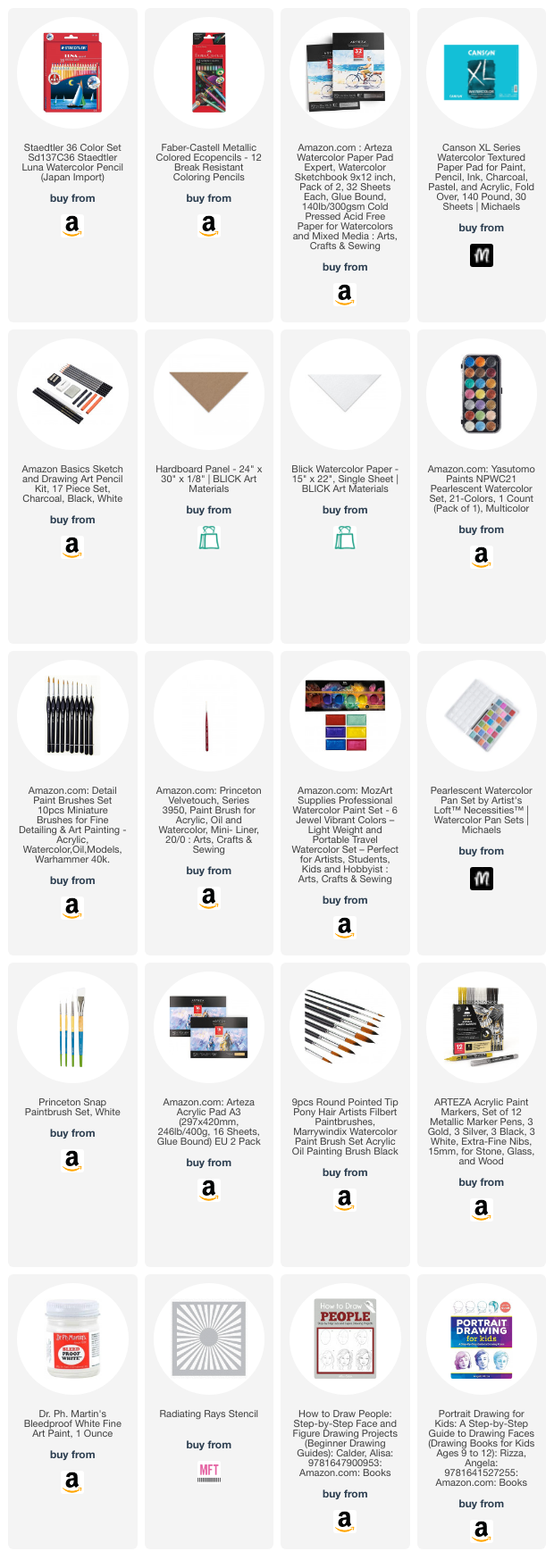
I get asked a lot about where to purchase the supplies I use in my videos and blog posts. I list all the supplies I use at the end of my posts (below) 

Monday, April 7, 2025

Make These Gorgeous Mixed Media Tags in Minutes


🎨 Make These Gorgeous Mixed Media Tags: A Simple & Joyful Creative Project

There’s something magical about turning bits and pieces—scraps, textures, old papers—into beautiful little works of art. That’s exactly what we’re doing today with mixed media tags!

Whether you’re new to mixed media or looking for a fun way to use up leftovers from your art table, this project is a joyful, low-pressure way to get creative.

Why Tags?

Tags are small, versatile, and just the right size to experiment without overwhelm. You can tuck them into junk journals, attach them to gifts, use them as bookmarks, or just collect them because they’re pretty!

What You’ll Need:

This is a great stash-busting project. Gather whatever you have on hand, like:

  • Old book pages or scrapbook paper

  • Paints (acrylics, watercolors—anything goes!)

  • Stamps, stencils, washi tape

  • Fabric or lace scraps

  • Glue, scissors, and a hole punch

Let’s Create:

  1. Start with a base – Cut out a tag shape from sturdy paper or recycled packaging.

  2. Layer it up – Add torn paper, paint, stamping, or texture paste. Play with color and shape.

  3. Add details – Think stitching, buttons, or a small quote. The charm is in the little things.

  4. Finish it off – Punch a hole at the top and thread a ribbon or twine through.

The best part? There’s no right or wrong. Each tag becomes its own little story.

Creative Tips:

✨ Try a theme—like vintage, floral, or seasonal.
✨ Use your tags to test new techniques or color combos.
✨ Make a bunch and bundle them as a handmade gift.


Want to see the full process in action?
👉 Watch the video tutorial here!


Final Thoughts:

Mixed media tags are a quick, satisfying creative escape, perfect for those moments when you just want to make something. So pull out your scraps, pour a cup of tea, and let your hands do the magic.

Tag me if you try this—I’d love to see what you create! 💖

#MixedMedia #CreativeReuse #DIYTags #JunkJournaling #MixedMediaArt #ScrappyCrafts


Thursday, March 6, 2025

My journey on how I learned to draw face


My Journey: How I Learned to Draw Faces 🎨

Drawing faces has always fascinated me. There’s something magical about capturing emotions, expressions, and personality on paper. But when I first started, it felt impossible—eyes were uneven, noses looked strange, and proportions were all over the place. If you’ve ever struggled with drawing faces, trust me, I’ve been there too. In this post, I’ll share my journey, the struggles I faced, and the steps that helped me improve.


The Beginning: Where I Started

Like many artists, I began by doodling faces in my notebooks. I had no idea about proportions or structure, so my sketches looked cartoonish and inconsistent. I tried copying from photos, but I often got frustrated when things didn’t turn out the way I imagined.

At one point, I almost gave up. But then I realized—drawing is a skill that can be learned with practice and patience. So, I decided to commit to improving.


The Learning Process

1. Understanding Basic Proportions

One of the biggest breakthroughs for me was learning the basic structure of the face. I discovered the Loomis method, which uses a simple sphere and guidelines to build the head. This helped me place features more accurately instead of guessing where things should go.

2. Studying Facial Features Individually

Instead of trying to draw a complete face all at once, I broke it down:

  • Eyes: I practiced different eye shapes and expressions. I learned that the upper eyelid is usually darker and that small details like eyelashes and reflections make a huge difference.

  • Noses: Instead of outlining the nose, I focused on shading to create depth.

  • Lips: Understanding how light hits the lips helped me make them look more realistic.

  • Ears: Honestly, ears were tricky, but breaking them into simple shapes made them easier to draw.


3. Observing and Sketching Daily

I started sketching faces every day, using references from photos, movies, and even people around me. I also studied how light affects the face—shadows and highlights can completely change the mood of a portrait.

4. Learning from Other Artists

Watching tutorials and analyzing different art styles helped me figure out what I liked. Some artists focused on realism, while others had a more stylized approach. I experimented with different techniques until I found a style that felt natural to me.

Overcoming Challenges

There were times when I felt stuck, like my drawings weren’t improving. Here’s what helped me push through:

  • Comparing progress: Looking back at my old sketches reminded me how far I had come.

  • Experimenting with different mediums: Trying digital art, charcoal, and watercolor gave me fresh perspectives.

  • Taking breaks: Stepping away from my art and coming back later helped me see mistakes more clearly.

Where I Am Now

I’m still learning, and that’s the beauty of art—it’s a continuous journey. I’m now more confident in drawing faces, but I also know there’s always more to explore. If you’re struggling with drawing faces, don’t give up! You'll see improvement with practice, patience, and the right techniques.

Have you tried drawing faces before? What challenges have you faced? Let’s share our experiences in the comments!


  Happy creating, and don’t forget to let your imagination grow! 🍄✨

Follow me on InstagramFacebookPinterest, and YouTube

I get asked a lot about where to purchase the supplies I use in my videos and blog posts. I list all the supplies I use at the end of my posts (below) 

SUPPLIES


Wednesday, November 6, 2024

Dive into the World of Mushroom Mixed Media - Stamping, Coloring, and More!


Dive into the World of Mushroom Mixed Media - Stamping, Coloring, and More!


Introduction: Mushrooms are more than just fungi—they’re nature’s art, growing in unique shapes and captivating colors that make them perfect for creative projects. Bringing mushroom elements into mixed media art opens up a world of possibilities. From textured stamping to vibrant coloring and DIY mushroom paper, there’s so much you can do. In this blog post, we’ll explore some fun ways to incorporate mushrooms into your art, whether you’re a beginner or a seasoned creator. Let’s dive in!

1. Stamping Mushrooms for Intricate Layers and Patterns

  • What You’ll Need: Mushroom stamps, ink pads in various colors, acrylic blocks, embossing powder (optional).
  • Technique: Stamping is an easy way to create quick, detailed mushroom shapes in your layout. Choose a mix of mushroom stamps to add variety to your art. Start by stamping with ink pads for a colorful base, then experiment with embossing powder for added texture and shine.
  • Tips: Try stamping on vellum or tracing paper to create a layered, translucent effect that mimics the natural world’s softness. These layers can be glued over other elements to create depth.

  • you can watch the full video tutorial here


2. Coloring Mushrooms: Experiment with Different Mediums

  • What You’ll Need: Watercolors, colored pencils, markers, or acrylic paint.
  • Technique: Coloring lets you explore the beauty and diversity of mushroom species, from earthy tones to vibrant reds and purples. Watercolors are great for soft, blended effects, while acrylics or markers give a bolder, saturated look. Try blending multiple colors to mimic the gradient effect often seen on mushroom caps.
  • Tips: For a realistic look, layer your colors gradually. Start light and build up to deeper shades. Colored pencils can add fine details, such as the spots and striations on mushroom caps.


3. DIY Mushroom Paper: Create Custom Backgrounds

  • What You’ll Need: Fresh or dried mushrooms, paper pulp, blender, water, screen frame.
  • Technique: Making your own paper with mushrooms is a fantastic way to bring a natural, earthy texture into your artwork. Blend mushrooms with paper pulp to create a unique paper base. Pour the pulp mixture onto a screen frame, spread it out, and let it dry to create a textured background.
  • Tips: Press leaves, dried flowers, or thin mushroom slices into the pulp for extra texture and visual interest. Use this handmade paper as the background for your layout, or cut it into smaller shapes to layer into your artwork.


4. Creating Layered Mixed Media Layouts

  • What You’ll Need: Gesso, gel medium, washi tape, brushes, stencils, mushroom-inspired stamps, and your handmade mushroom paper.
  • Technique: To pull everything together, start by preparing a blank canvas with a coat of gesso. Then, start layering your elements: stamped mushrooms, handmade mushroom paper, washi tape, and stencils for added dimension. Use gel medium to adhere various layers, and experiment with positioning different textures and colors.
  • Tips: Balance smooth and rough textures, matte and shiny surfaces, and neutral and bright colors. Let each layer dry fully before adding the next for a polished, professional look.


Conclusion:

Exploring mushrooms in mixed media opens up so many creative possibilities. Whether you’re stamping, coloring, making your own paper, or layering different elements, each technique brings a unique flair to your work. With a little inspiration and some experimentation, you can create a mixed-media piece that captures the beauty and mystery of mushrooms.


Happy creating, and don’t forget to let your imagination grow! 🍄✨

Follow me on InstagramFacebookPinterest, and YouTube,

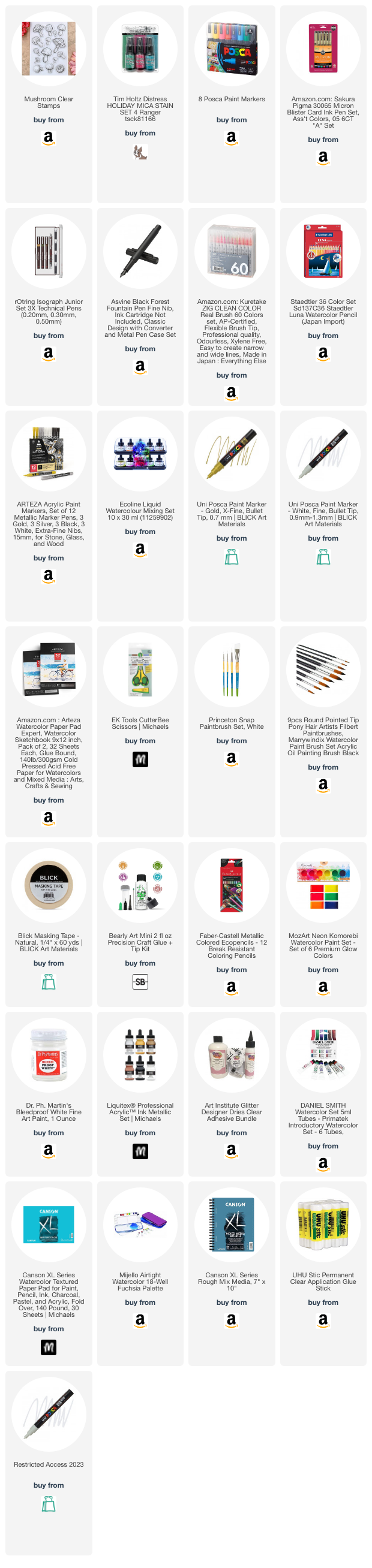
I get asked a lot about where to purchase the supplies I use in my videos and blog posts. I list all the supplies I use at the end of my posts (below) 

SUPPLIES