Showing posts with label paint and creat. Show all posts

Monday, June 9, 2025

What are some tips for packing embroidery supplies for air travel


What are some tips for packing embroidery supplies for air travel

Here are some expert tips for packing embroidery supplies for air travel:


Packing Tips for Embroidery Supplies on Airplanes

Use TSA-approved travel scissors: Choose small scissors under 6 inches like Fiskars folding travel scissors or thread snips with blunt tips, which are less likely to be confiscated at security.


Carry extra needles and use a magnetic needle minder: Pre-thread several needles and keep them secure in a needle case or with a magnetic needle minder to avoid losing them during the flight.


Organize floss and tools in compact containers: Use small hinged tins or thread storage boxes to keep floss, needles, and tools tidy and easy to access in your carry-on.


Prepare your project before travel: Cut fabric to size, transfer patterns, wind thread on bobbins, and stretch fabric in your hoop at home to minimize what you need to bring and simplify stitching on the plane.


Pack a project pouch: An A5-sized pouch can hold a 5-inch hoop, fabric, thread, and tools, keeping everything organized and portable.


Select projects with similar color palettes and only bring the thread you need: This reduces the amount of floss you carry and allows you to switch between projects without overpacking.


Be mindful of airline restrictions: Check airline and TSA rules about scissors and sharp objects before packing. Some travelers carry scissors they are willing to part with if confiscated or use alternative thread cutters.


Use a drawstring bag or scrappy project bag: These provide secure, attractive storage that prevents supplies from spilling in your carry-on.


Consider thread gloss for easier needle threading: Especially useful when wearing a mask on the plane, thread gloss helps tame floss ends for easier threading without needing to put your mask down.


Keep metal items visible and separate: Store scissors, needles, and other metal bits in a clear bag or separate container to ease TSA inspections and avoid delays.


Summary

Pack a compact, well-organized kit with TSA-compliant scissors or snips, extra needles secured with a magnetic minder, pre-prepped fabric and thread, and use small tins or pouches for easy access. Always check airline restrictions beforehand and consider alternatives like thread gloss and thread cutters to streamline your travel embroidery experience. This approach ensures smooth security checks and enjoyable stitching during your flight


TRAVEL EMRODARY KIT DOS AND DON'TS

ane seats or car rides

Don'ts for a Travel Embroidery Kit

Don’t start stitching without a hoop: Stitching without a hoop can lead to uneven tension and puckered fabriC

Don’t bring too many supplies: Avoid overpacking; bring only what you need to save space and reduce frustration

Don’t use blunt or old needles: These can damage fabric and thread, making stitching harder and less enjoyable

Don’t lose your needles: Losing needles while traveling can be stressful and dangerous, so always store them securely and put them back in their case when not in use

Don’t rely on flimsy storage: Avoid using ziplock bags alone as they may not be durable or secure enough; instead, use sturdy project bags or tins

Summary

A well-prepared travel embroidery kit should be compact, organized, and secure, including a small hoop, sharp needles, selected floss, fabric pre-cut and pressed, travel-friendly scissors, and a reliable storage solution. Prepare as much as possible before leaving home to maximize stitching time and minimize hassle. Secure needles carefully to avoid loss or injury, and pack only what you need to keep your kit manageable and enjoyable on the go


What are some alternatives to traditional scissors for travel


Here are some practical alternatives to traditional scissors for travel embroidery and needlework:


Thread snips: Small, spring-loaded thread snips are popular for travel because they are compact and easy to use for quick thread trimming. They often have a blade length short enough to pass TSA screening and are less likely to be confiscated.


Fingernail clippers: Many travelers use fingernail clippers to cut threads or small ties, especially when scissors are not allowed. Clippers without attached files are less likely to be confiscated and can serve as a handy cutting tool.


Small folding scissors: While technically scissors, tiny folding scissors (like Dritz travel scissors) fold to a compact size and are often allowed in carry-on luggage. However, confiscation can be random, so it’s best not to bring expensive or irreplaceable pairs.


Thread cutters worn as pendants: Some thread cutters are designed as pendants or keychains with a small blade inside a protective housing, making them travel-friendly and easy to carry around the neck.


Dental floss containers with built-in cutters: These can be used to snip threads and are generally TSA-friendly since they are not traditional cutting tools.


Using larger tapestry needles as laying tools: For certain tasks like flattening threads, a larger needle can substitute for specialized tools that might not be allowed in carry-on bags.


In summary, thread snips and fingernail clippers are the most common and TSA-friendly alternatives to traditional scissors for travel embroidery. Small folding scissors and pendant-style thread cutters are also options but may carry some risk of confiscation depending on airport security. Packing inexpensive or replaceable cutting tools minimizes loss risk during air travel.

WHAT IS DIFFERENCE BETWEEN SLOW STICHING AND EMRODORY

The difference between slow stitching and embroidery lies primarily in their purpose, approach, and mindset:


Embroidery

Embroidery is the general art or craft of decorating fabric or other materials with needle and thread or yarn, often to create detailed, decorative patterns or images.


It can be done by hand or machine and typically aims for a polished, finished product, often with precise and sometimes complex stitches.


Embroidery is focused on embellishment and can include a wide range of techniques and styles, often emphasizing skill and aesthetics.


Slow Stitching

Slow stitching is a mindful, meditative practice that emphasizes the process of stitching rather than the finished product.


It involves hand stitching in a relaxed, unhurried way, often using simple running stitches or freeform stitches, and embracing imperfections.


Rooted in traditions like Japanese Boro and Sashiko, slow stitching encourages connection to the moment, mindfulness, creativity, and sustainability by using scraps or mending existing fabrics.


The goal is to slow down, enjoy the tactile experience, and find calm and presence through stitching, rather than focusing on perfection or complexity.


Slow stitching is often described as a spiritual or wellness practice, fostering self-awareness and emotional benefits through intentional, slow creativity.


Summary Table

Aspect                                      Embroidery         Slow Stitching

Purpose               Decorative embellishment            Mindful, meditative stitching process

Focus    Finished product and design precision     Process, mindfulness, and imperfection

Techniques          Wide range, often intricate           Simple running stitches, freeform

Tools      Hand or machine needle, varied stitches Mainly hand stitching with simple stitches

Materials             New or chosen fabrics and threads           Often uses scraps, recycled fabrics

Mindset               Skill and aesthetics          Relaxation, presence, creativity

In essence, embroidery is the broader craft of decorative stitching, while slow stitching is a contemporary movement and philosophy that values the mindful, slow, and imperfect act of hand stitching as a form of meditation and creative expression


Happy creating, and don’t forget to let your imagination grow! 🍄✨

Follow me on InstagramFacebookPinterest, and YouTube,

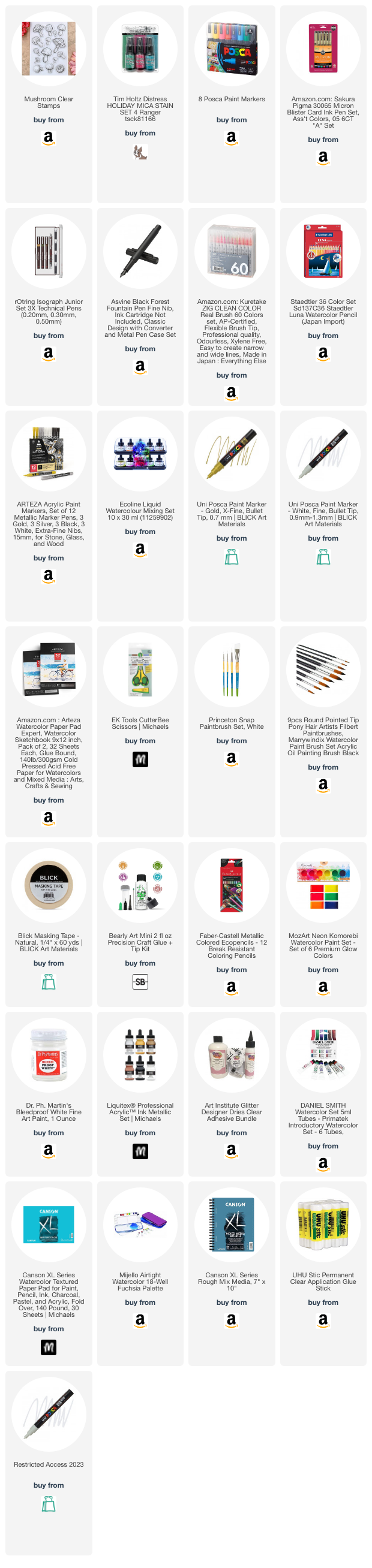
I get asked a lot about where to purchase the supplies I use in my videos and blog posts. I list all the supplies I use at the end of my posts (below) 

Sunday, April 6, 2025

I Created Amazing Mixed Media Collage Art with Fodder School 4


I Created Amazing MixMedia Collage Art with Fodder School 4

If you've ever found yourself lost in the joy of layering paper, splashing paint, and creating something from scraps and textures, then you’ll know the thrill I felt diving into my latest mixed-media collage project with Fodder School 4.


Want to see the full process in action?
👉 Watch the video tutorial here!


What is Fodder School?

Fodder School is a year-long, online mixed media art course that brings together inspiring teachers from around the world. Each month, a new instructor shares their process for creating collage fodder and a finished project. Fodder School 4 (this year’s edition) is packed with fresh ideas, techniques, and playful prompts that have been pushing me creatively in all the best ways.

Whether you're new to mixed media or a seasoned artist, there’s something magical about being part of this global community of collage lovers. The best part? There’s no “right” way to do it—just endless opportunities to experiment and explore.

My Creative Process

For this particular project, I started by making my own collage fodder:

  • painted papers

  • stamped textures

  • vintage book pages

  • tissue paper layers

  • scraps from past projects

I loved mixing up materials—some handmade, some found—to create a truly personal collection of collage elements. There’s something so satisfying about turning leftover bits into something beautiful and cohesive.

Once I had my pile of fodder ready, I moved on to creating a layered background using acrylics and gesso. I followed the lead of the month’s Fodder School teacher, adapting their techniques in my own way. I played with color, placement, and texture—trusting the process and letting the piece evolve organically.

What I Learned

One of the biggest lessons I’ve learned from Fodder School is that there’s beauty in imperfection. It’s easy to get caught up in trying to make everything look "right," but collage is all about happy accidents and letting the materials guide you.

Fodder School 4 has also taught me to slow down and really enjoy the making—every tear, every brushstroke, every decision feels like an act of creativity.

Final Thoughts

Creating this mixed media collage has been such a joyful experience. It reminded me why I love this kind of art: it’s expressive, intuitive, and deeply satisfying. If you're curious about mixed media or looking for a community to grow your creative practice, I highly recommend checking out Fodder School.

Are you part of Fodder School too? Have you tried your hand at mixed media collage? I’d love to hear your thoughts in the comments!

Until next time—keep creating, keep exploring, and don’t be afraid to make a beautiful mess. 🎨

Wednesday, November 6, 2024

Dive into the World of Mushroom Mixed Media - Stamping, Coloring, and More!


Dive into the World of Mushroom Mixed Media - Stamping, Coloring, and More!


Introduction: Mushrooms are more than just fungi—they’re nature’s art, growing in unique shapes and captivating colors that make them perfect for creative projects. Bringing mushroom elements into mixed media art opens up a world of possibilities. From textured stamping to vibrant coloring and DIY mushroom paper, there’s so much you can do. In this blog post, we’ll explore some fun ways to incorporate mushrooms into your art, whether you’re a beginner or a seasoned creator. Let’s dive in!

1. Stamping Mushrooms for Intricate Layers and Patterns

  • What You’ll Need: Mushroom stamps, ink pads in various colors, acrylic blocks, embossing powder (optional).
  • Technique: Stamping is an easy way to create quick, detailed mushroom shapes in your layout. Choose a mix of mushroom stamps to add variety to your art. Start by stamping with ink pads for a colorful base, then experiment with embossing powder for added texture and shine.
  • Tips: Try stamping on vellum or tracing paper to create a layered, translucent effect that mimics the natural world’s softness. These layers can be glued over other elements to create depth.

  • you can watch the full video tutorial here


2. Coloring Mushrooms: Experiment with Different Mediums

  • What You’ll Need: Watercolors, colored pencils, markers, or acrylic paint.
  • Technique: Coloring lets you explore the beauty and diversity of mushroom species, from earthy tones to vibrant reds and purples. Watercolors are great for soft, blended effects, while acrylics or markers give a bolder, saturated look. Try blending multiple colors to mimic the gradient effect often seen on mushroom caps.
  • Tips: For a realistic look, layer your colors gradually. Start light and build up to deeper shades. Colored pencils can add fine details, such as the spots and striations on mushroom caps.


3. DIY Mushroom Paper: Create Custom Backgrounds

  • What You’ll Need: Fresh or dried mushrooms, paper pulp, blender, water, screen frame.
  • Technique: Making your own paper with mushrooms is a fantastic way to bring a natural, earthy texture into your artwork. Blend mushrooms with paper pulp to create a unique paper base. Pour the pulp mixture onto a screen frame, spread it out, and let it dry to create a textured background.
  • Tips: Press leaves, dried flowers, or thin mushroom slices into the pulp for extra texture and visual interest. Use this handmade paper as the background for your layout, or cut it into smaller shapes to layer into your artwork.


4. Creating Layered Mixed Media Layouts

  • What You’ll Need: Gesso, gel medium, washi tape, brushes, stencils, mushroom-inspired stamps, and your handmade mushroom paper.
  • Technique: To pull everything together, start by preparing a blank canvas with a coat of gesso. Then, start layering your elements: stamped mushrooms, handmade mushroom paper, washi tape, and stencils for added dimension. Use gel medium to adhere various layers, and experiment with positioning different textures and colors.
  • Tips: Balance smooth and rough textures, matte and shiny surfaces, and neutral and bright colors. Let each layer dry fully before adding the next for a polished, professional look.


Conclusion:

Exploring mushrooms in mixed media opens up so many creative possibilities. Whether you’re stamping, coloring, making your own paper, or layering different elements, each technique brings a unique flair to your work. With a little inspiration and some experimentation, you can create a mixed-media piece that captures the beauty and mystery of mushrooms.


Happy creating, and don’t forget to let your imagination grow! 🍄✨

Follow me on InstagramFacebookPinterest, and YouTube,

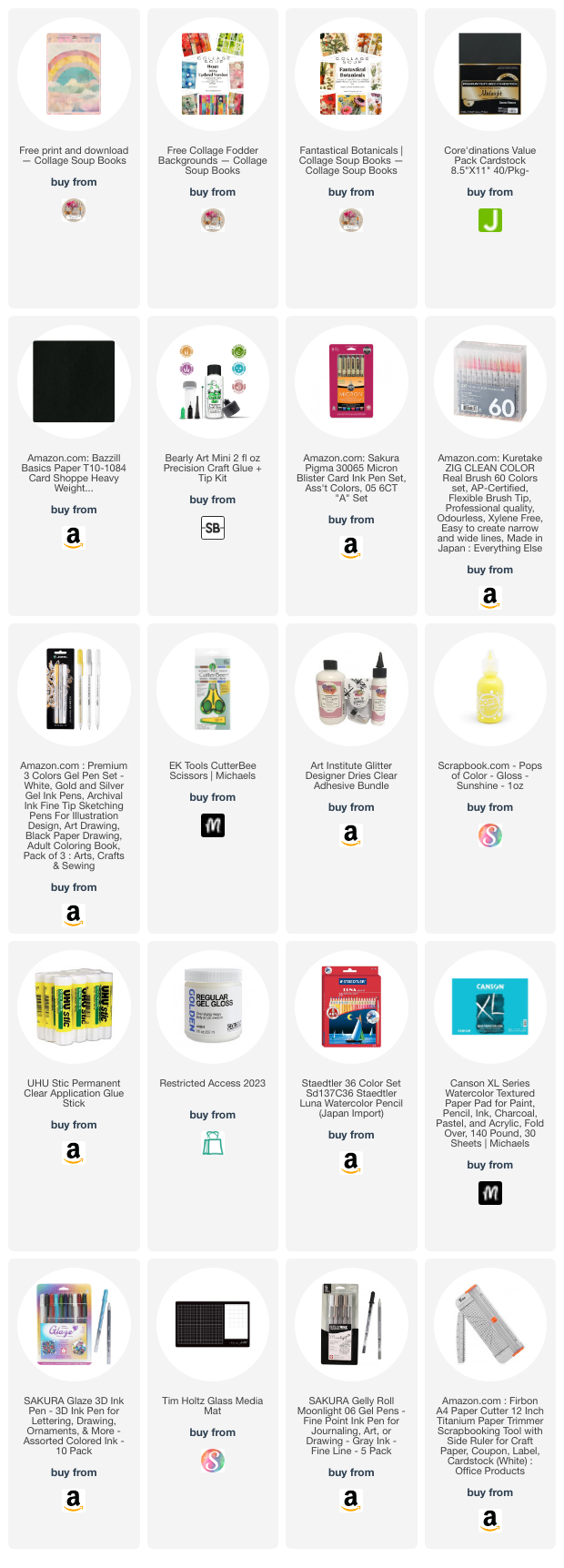
I get asked a lot about where to purchase the supplies I use in my videos and blog posts. I list all the supplies I use at the end of my posts (below) 

SUPPLIES

Wednesday, October 9, 2024

Spice Up Your Art With Mix Media Collage Soup Books Featuring Indian Beauties!


Are you looking to add some zest and vibrancy to your artistic creations? Imagine combining the vibrant colors, textures, and stories of Indian culture with the endless possibilities of mixed media art. That's where the idea of "Mix Media Collage Soup Books" comes in—an innovative way to spice up your art by celebrating Indian beauties in all their traditional and contemporary glory!

What is a Mix Media Collage Soup Book?

A "soup book" in the art world is a delightful explosion of ideas, techniques, and materials thrown into one expressive, artistic project. In this case, a Mix Media Collage Soup Book is a sketchbook or journal where various forms of mixed media art come together to create an intricate, beautiful tapestry of visual storytelling. You can use paint, fabrics, paper cutouts, photographs, and even digital designs to create a stunning array of layered compositions.

The beauty of a "soup" approach is its versatility. It’s a place where anything goes—textured papers, bold prints, recycled materials, and even spices (yes, literal spices!) can make their way into your pages.


Why Indian Beauties?

India is known for its rich cultural diversity, stunning landscapes, and vibrant traditions. From the elegance of classical Indian dance to the boldness of modern Bollywood fashion, Indian beauties—both in person and in concept—are a source of endless inspiration for artists worldwide.

By incorporating Indian beauty into your mixed media collage, you're not only paying tribute to this incredible culture, but also adding rich colors, ornate designs, and layered stories that evoke emotion and thought. Indian attire, traditional jewelry, henna patterns, and vivid festivals all offer a treasure trove of visual elements to include in your art.

Elements to Include in Your Collage:

  • Vibrant Colors: Think bold hues like saffron yellow, vermilion red, deep indigo, and emerald green. These colors are often seen in traditional Indian clothing, festivals, and art.

  • Textured Fabrics: Sari pieces, brocade, or handwoven textiles make great additions to your collage pages. The richness of these fabrics will bring depth to your work.

  • Patterns and Symbols: Indian culture is full of intricate patterns, from mandalas to henna designs, which add visual interest and symbolism. Incorporate these into your backgrounds or as focal points in your art.

  • Photographs and Portraits: You can add images of classical Indian dancers, Bollywood stars, or even historical figures like princesses and queens to your collage. Mix them with paint, textured paper, or stitching for a unique take.

  • Natural Elements: Use dried flowers, spices like turmeric and saffron, or even leaves to add an earthy, aromatic layer to your art. These elements will evoke the essence of India’s natural beauty and traditions.

How to Get Started:

  1. Pick a Theme: Is your collage book going to focus on traditional Indian fashion? Bollywood glam? Historical beauties from Indian folklore? Or perhaps a mix of all? Decide on a central theme to guide your artistic choices.

  2. Gather Materials: Collect a variety of mixed media elements that reflect your theme. This could include magazine cutouts, fabrics, paints, and any found objects that inspire you.

  3. Play with Layouts: Experiment with layering different textures, images, and colors. There are no rules here—let your creativity flow and mix elements that feel right together.

  4. Embellish: Add fine details like glitter, sequins, or hand-drawn elements to give your collage extra dimension. Embellishments help to elevate the overall composition and bring your vision to life.

  5. Finish with a Story: Every collage tells a story. Whether you're creating a visual ode to Indian women’s beauty, strength, and grace, or highlighting the contrasts between old and new India, make sure your final piece resonates with the deeper narrative you wish to express.

Why This Matters:

Art is more than just a visual medium; it’s a way to communicate, to tell stories, and to preserve culture. By creating a Mix Media Collage Soup Book featuring Indian beauties, you're not only making a beautiful piece of art—you’re also engaging with and learning about the cultural significance behind the designs, colors, and symbols that have shaped India for centuries.

So go ahead, let your imagination run wild, and spice up your art with the beauty of India in a whole new way! Your Mix Media Collage Soup Book is bound to be a feast for the eyes and a celebration of culture, beauty, and artistic freedom.


Follow me on InstagramFacebookPinterest, and YouTube,

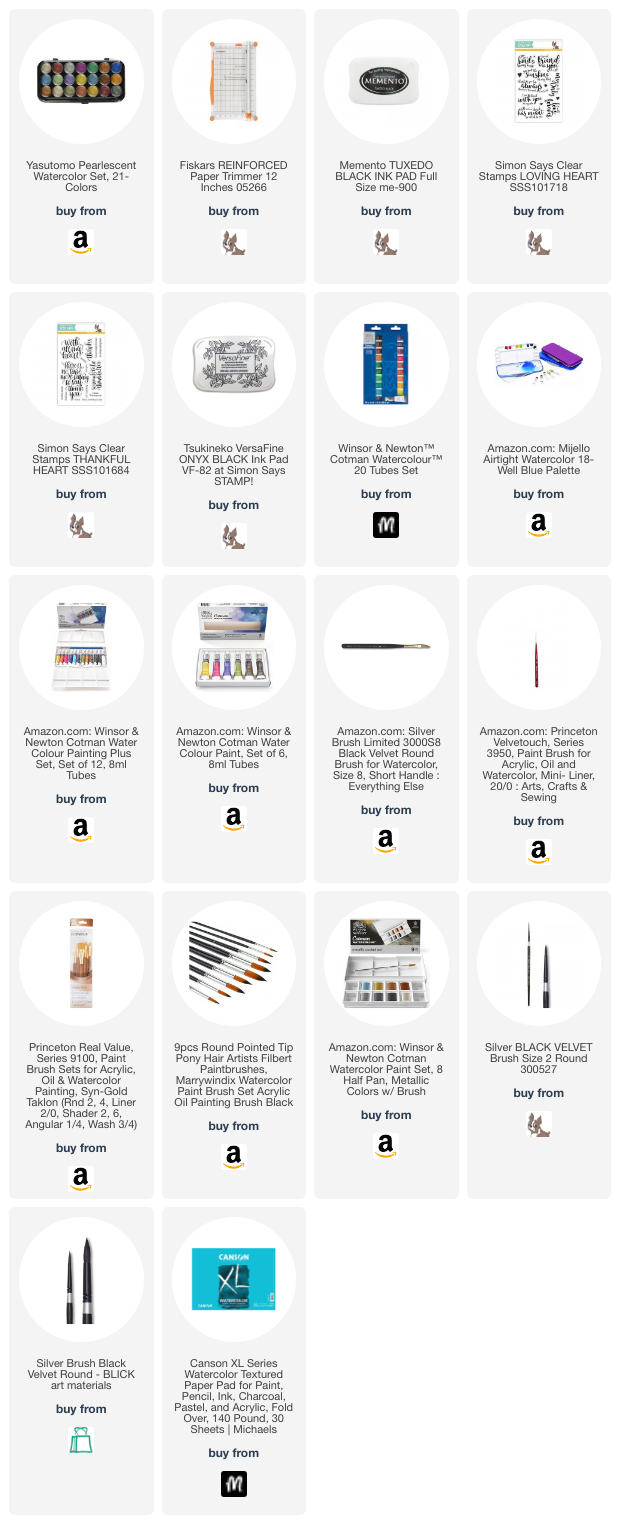
I get asked a lot about where to purchase the supplies I use in my videos and blog posts. I list all the supplies I use at the end of my posts (below) 

SUPPLIES

Tuesday, May 14, 2024

Easy Watercolor Tag Tutorial: Learn How To Create Mesmerizing Flower Designs

  Easy Watercolor Tag Tutorial: Learn How To Create Mesmerizing Flower Designs

Creating watercolor tags adorned with flowers is a delightful way to add a personal and artistic touch to gifts, journals, or home decor. This tutorial will guide you through the process of making beautiful floral watercolor tags, perfect for any occasion. Let's get started and let your creativity bloom!


Materials You'll Need:

Before you begin, gather these essential materials:

  1. Watercolor Paper: Choose a good quality, thick paper that can handle water well.
  2. Watercolor Paints: A set of basic colors, including greens, reds, pinks, yellows, and purples.
  3. Brushes: A medium-sized round brush, a fine detail brush, and a flat brush.
  4. Water: For mixing and cleaning brushes.
  5. Palette: For mixing your watercolor paints.
  6. Paper Towels: To blot excess water and clean brushes.
  7. Tags: Pre-cut tags or you can cut your watercolor paper into tag shapes.
  8. Hole Punch: To create a hole for the string.
  9. String or Ribbon: To tie your tags.
  10. Pencil: For sketching your flower design lightly on the tags.
  11. Eraser: To erase pencil marks after painting, if needed.


Step-by-Step Tutorial:

Step 1: Prepare Your Workspace

Set up a clean and well-lit workspace. Arrange your materials within easy reach. Ensure you have a cup of water for rinsing your brushes and a paper towel for blotting.

Step 2: Choose Your Tag Shape and Size

Decide on the size and shape of your tags. Traditional tags are rectangular with a punched hole at the top, but you can also experiment with different shapes like circles, ovals, or even custom designs.

Step 3: Lightly Sketch Your Flower Design

Using a pencil, lightly sketch a simple flower design on your tag. Popular flower choices include roses, daisies, tulips, and cherry blossoms. Keep your sketch light to avoid visible pencil marks after painting.

Step 4: Wet Your Paper (Optional)

For a soft background effect, lightly wet the surface of your tag with clean water using your medium-sized brush. This step is optional but helps create a dreamy background for your flower.

Step 5: Apply the Base Colors

Start by applying the base colors of your flower petals and leaves. Use your round brush for the petals and a smaller brush for the leaves and stems. Begin with light washes of color and gradually build up intensity. Allow each layer to dry before adding the next to avoid muddy colors.

Step 6: Add Details and Depth

Once the base layer is dry, add more details to your flower. Use a fine detail brush to paint the veins of the petals, the texture of the leaves, and other intricate details. Add darker shades to the inner parts of the flower and lighter shades towards the edges to create depth and dimension.

Step 7: Experiment with Techniques

  • Wet-on-Wet: For a soft blend of colors, apply wet paint onto a wet surface.
  • Wet-on-Dry: For more defined edges, apply wet paint onto a dry surface.
  • Layering: Build up colors gradually by layering different shades.
  • Dry Brush: Use a dry brush to add texture and highlights.

Step 8: Create a Background (Optional)

If desired, create a background for your flower. Lightly wash the background with a soft, complementary color. Be careful not to overpower the flower design.

Step 9: Let It Dry Completely

Allow your tag to dry completely before handling it. This will prevent smudging and ensure the colors set properly.

Step 10: Add the Finishing Touches

Once your tag is dry, punch a hole at the top and thread a piece of string or ribbon through it. You can also write a message or add decorative elements with a fine-tip pen or marker.

Step 11: Seal Your Tag (Optional)

If you want to protect your watercolor design, you can spray a light coat of fixative or clear sealant. This step is optional but can help preserve your artwork.

Tips for Success:

  • Practice Patience: Watercolor painting can be unpredictable. Embrace the unexpected results and enjoy the process.
  • Less is More: Start with less paint and water. You can always add more layers, but it's harder to remove excess paint.
  • Experiment: Don’t be afraid to try different techniques and color combinations. Watercolor is all about experimentation and discovering your unique style.

Creating watercolor tags with flower designs is a fun and relaxing activity that allows you to express your creativity. These handmade floral tags will add a personal and artistic touch to any project, making your gifts and decor truly special. Happy painting!ou can see the product details below same time the similar dies whichever you have you can mix and match to do these techniques.

THANK YOU FOR, SUBSCRIBING AND APPRECIATING.


Feel free to share this post on social media using the share!

Follow me on InstagramFacebookPinterest, and YouTube,!

SUPPLIES