Tuesday, June 25, 2024

My Stunning Diy Envelopes: Perfect For Sending With Atc Or Handmade Cards!


Welcome to my channel! 🌟 In today's video, I'll show you how to create stunning DIY envelopes perfect for sending Artist Trading Cards (ATCs) or your beautiful handmade cards. Whether you're a seasoned crafter or just starting out, these easy-to-follow steps will help you make envelopes that add a personal and unique touch to your creations. 💌 Perfect For Artist Trading Cards (ATCs) Handmade greeting cards Special notes and letters Gifts and invitations

you can watch the full video tutorial here


Don't forget to LIKE, COMMENT, and SUBSCRIBE for more creative tutorials! Hit the bell icon 🔔 to stay updated with my latest videos. Share your envelope creations on social media using #MyStunningDIYEnvelopes – I'd love to see what you make! Let's get crafting! ✂️🎨


 Follow me on InstagramFacebookPinterest, and YouTube,

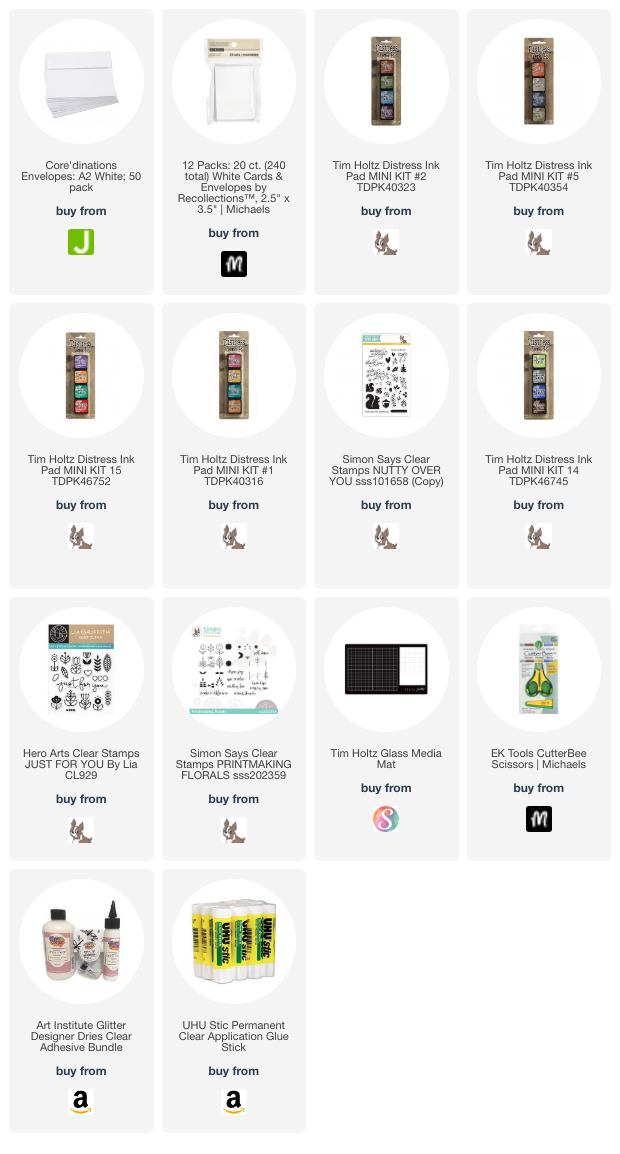
I get asked a lot about where to purchase the supplies I use in my videos and blog posts. I list all the supplies I use at the end of my posts (below) 

SUPPLIES
Saturday, June 22, 2024

Get Creative With Your Mixed Media Supplies: Try Using All Your Products!


Mixed media art is all about combining different materials and techniques to create unique, textured pieces. Here are some creative ideas to help you make the most of all your mixed media supplies:

1. Layering Different Mediums

  • Paint and Ink: Start with a base layer of acrylic or watercolor paint, then add details with ink pens or markers. The contrast in textures can add depth to your work.
  • Collage: Use scraps of paper, magazine cutouts, or fabric to create a collage base. Then, paint over it or add embellishments with pens and markers.

2. Texture and Dimension

  • Modeling Paste: Apply modeling paste through stencils or with a palette knife to create raised, textured surfaces. Once dry, paint over it for a dramatic effect.
  • Fabric and Fibers: Incorporate pieces of fabric, yarn, or threads to add a tactile element to your artwork.

3. Alternative Surfaces

  • Wood Panels: Try working on wood panels instead of canvas or paper. The sturdy surface can handle a lot of layering and heavy materials.
  • Glass and Metal: Experiment with painting on glass or metal surfaces for a different look. Use appropriate primers and sealers to ensure your work adheres well.

4. Unconventional Tools

  • Household Items: Use items like credit cards, sponges, or bubble wrap to apply paint and create interesting patterns and textures.
  • Nature: Incorporate natural elements such as leaves, twigs, or sand. These can be glued onto your piece or used as tools for applying paint.

5. Combining Techniques

  • Stamping and Stenciling: Use stamps and stencils with ink, paint, or modeling paste to add repetitive patterns and designs.
  • Hand-drawn Elements: Add personal touches with hand-drawn doodles, sketches, or lettering over your mixed media background.

6. Integrating Digital Elements

  • Printouts: Incorporate digital prints or photos into your mixed media pieces. You can alter them with paint or other mediums to blend them into your work.
  • Digital Editing: Create a base layer digitally, print it out, and then enhance it with traditional media like paint, ink, and collage.

7. Using Found Objects

  • Assemblage: Gather small found objects such as buttons, beads, keys, or pieces of jewelry. Assemble them into your artwork to add a 3D element.
  • Recycled Materials: Use packaging materials, old book pages, or fabric scraps to create interesting textures and layers.

8. Experiment with Color and Light

  • Layering Transparencies: Use transparent materials like tissue paper, vellum, or acetate sheets to add subtle color layers and play with light.
  • Metallics and Iridescents: Incorporate metallic paints, foils, or iridescent mediums to add shine and dimension.

9. Interactive Elements

  • Flip-outs and Fold-outs: Create parts of your artwork that can be flipped or folded out to reveal hidden elements.
  • Movable Parts: Incorporate gears, hinges, or sliders to make parts of your artwork move.

10. Journaling and Writing

  • Incorporate Text: Add handwritten notes, quotes, or poetry. Use calligraphy or typewritten text to integrate words meaningfully into your piece.
  • Hidden Messages: Write hidden messages under layers of paint or paper that can be partially revealed for a mysterious touch.

Tips for Success:

  • Experiment Freely: Don’t be afraid to try new combinations of materials and techniques. Mixed media is all about exploration.
  • Embrace Imperfection: Imperfections can add character to your work. Embrace them as part of the creative process.
  • Build Gradually: Start with a simple base and build your layers gradually. This allows you to see how each new addition affects the overall composition.

By using all your mixed media supplies creatively, you can produce truly unique and expressive art pieces. Enjoy the process and let your imagination guide you!


Follow me on InstagramFacebookPinterest, and YouTube,


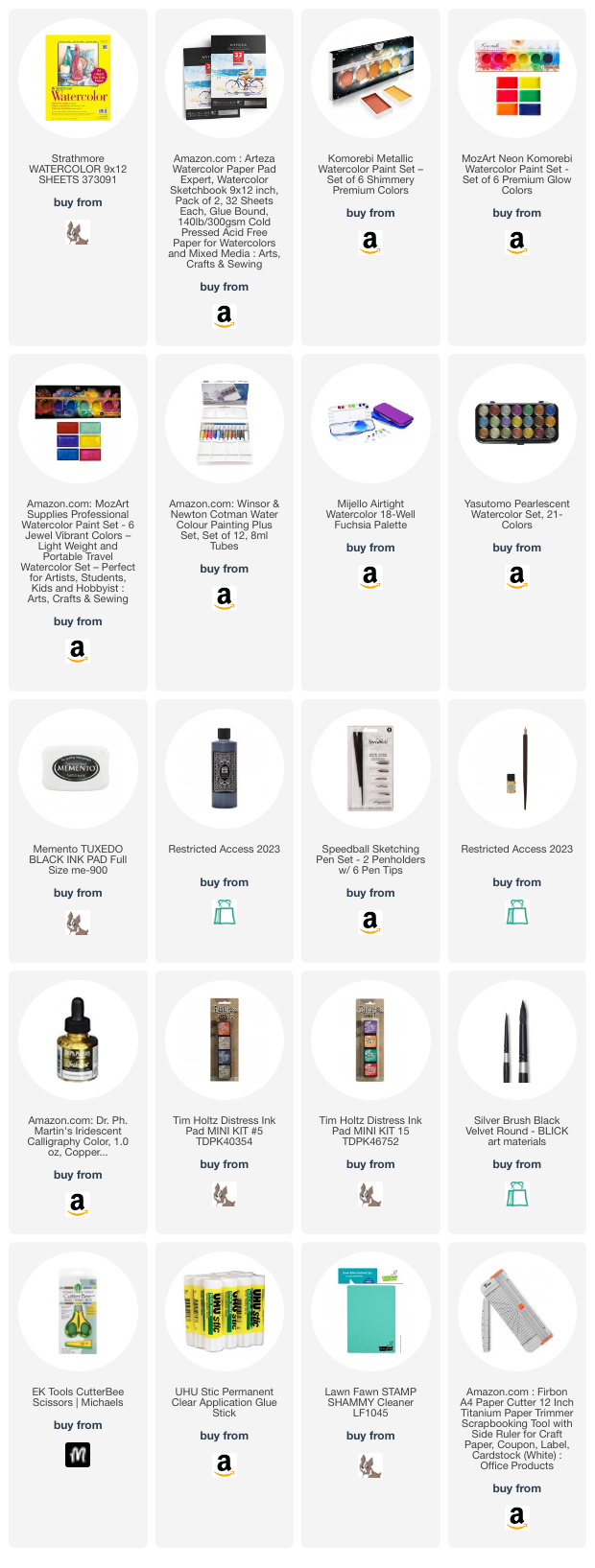
I get asked a lot about where to purchase the supplies I use in my videos and blog posts. I list all the supplies I use at the end of my posts (below) 

SUPPLIES

Wednesday, May 22, 2024

A Beginner’s Guide to Carving Your First Rubber Stamp


Have you ever admired a beautifully crafted rubber stamp and thought, "I wish I could make something like that"? Good news—you can! Carving your own rubber stamp is a rewarding and creative hobby that’s easier to get started with than you might think. In this guide, I’ll walk you through the process of carving your first rubber stamp, from gathering your materials to making your first print. Let’s dive in!

What You’ll Need
Before you begin, make sure you have all the necessary tools and materials. Here’s a checklist to get you started:

Materials:
Rubber Block: Soft, carvable rubber specifically made for stamp carving. Brands like Speedball or Moo Carve are great choices.
Ink Pad: Choose an ink pad with a color you love, or start with basic black.
Paper: High-quality paper for testing your stamps.
Tools:
Carving Tools: A basic set of linoleum cutters or a precision carving knife. Speedball makes a great beginner set.
Pencil: For drawing your design.
Tracing Paper: For transferring your design to the rubber.
Tape: To secure your tracing paper.
Step-by-Step Guide to Carving Your Rubber Stamp
Step 1: Design Your Stamp
Start with a simple design. Bold lines and shapes are easier to carve and make for a striking stamp. Draw your design on a piece of paper. Remember, your stamp will print in reverse, so if your design includes text, make sure it’s mirrored.

Step 2: Transfer Your Design
Place a piece of tracing paper over your design and trace it with a pencil. Then, flip the tracing paper over and position it on top of your rubber block. Rub the back of the tracing paper to transfer the graphite from the pencil onto the rubber. You should see a faint outline of your design on the rubber block.

Step 3: Secure Your Work
Tape the tracing paper to the rubber block to prevent it from shifting while you work. This step ensures your design stays in place and helps avoid mistakes.

Step 4: Start Carving
Using your carving tools, begin by outlining your design. Start with the fine detail tools for small, intricate areas, and switch to larger tools for broader areas. Always carve away from your body and fingers to avoid accidents. Take your time and carve slowly—precision is key.

Step 5: Test Your Stamp
Once you’ve finished carving, gently brush away any debris and ink your stamp. Press it firmly onto a piece of paper to see your first print. This test print will reveal any areas that need more carving or adjustments.

Step 6: Refine Your Design
After your test print, you might notice some areas that need refining. Clean your stamp, make the necessary adjustments, and test again. Repeat this process until you’re happy with the final result.

Tips for Success
Start Simple: Begin with straightforward designs and gradually progress to more complex ones as you gain confidence and skill.
Practice Patience: Carving is a meticulous process. Rushing can lead to mistakes or injuries.
Safety First: Always carve away from your hands and body to avoid cuts. Consider wearing a carving glove for added protection.
Experiment with Inks: Different inks can produce different effects. Experiment with colors and types of ink to find what works best for your projects.
Conclusion
Carving your own rubber stamps is a fun and creative hobby that allows you to make custom designs for cards, scrapbooks, and more. With the right tools and a bit of patience, you can create beautiful stamps that reflect your unique style. So gather your materials, sketch out a design, and start carving. Happy stamping!

If you’ve tried stamp carving or have tips of your own, share your experiences in the comments below. Let’s inspire each other to create amazing stamps!


Follow me on InstagramFacebookPinterest, and YouTube,


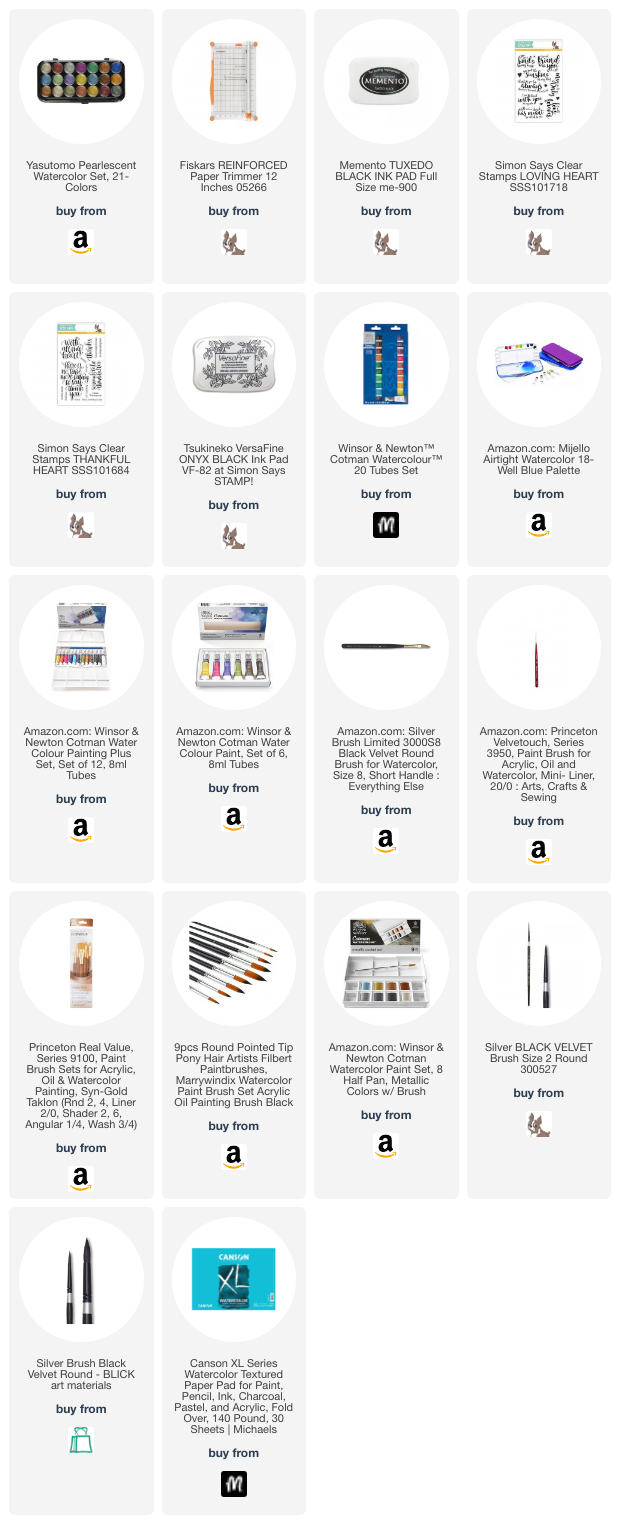
I get asked a lot about where to purchase the supplies I use in my videos and blog posts. I list all the supplies I use at the end of my posts (below) 

SUPPLIES


Tuesday, May 14, 2024

Easy Watercolor Tag Tutorial: Learn How To Create Mesmerizing Flower Designs

  Easy Watercolor Tag Tutorial: Learn How To Create Mesmerizing Flower Designs

Creating watercolor tags adorned with flowers is a delightful way to add a personal and artistic touch to gifts, journals, or home decor. This tutorial will guide you through the process of making beautiful floral watercolor tags, perfect for any occasion. Let's get started and let your creativity bloom!


Materials You'll Need:

Before you begin, gather these essential materials:

  1. Watercolor Paper: Choose a good quality, thick paper that can handle water well.
  2. Watercolor Paints: A set of basic colors, including greens, reds, pinks, yellows, and purples.
  3. Brushes: A medium-sized round brush, a fine detail brush, and a flat brush.
  4. Water: For mixing and cleaning brushes.
  5. Palette: For mixing your watercolor paints.
  6. Paper Towels: To blot excess water and clean brushes.
  7. Tags: Pre-cut tags or you can cut your watercolor paper into tag shapes.
  8. Hole Punch: To create a hole for the string.
  9. String or Ribbon: To tie your tags.
  10. Pencil: For sketching your flower design lightly on the tags.
  11. Eraser: To erase pencil marks after painting, if needed.


Step-by-Step Tutorial:

Step 1: Prepare Your Workspace

Set up a clean and well-lit workspace. Arrange your materials within easy reach. Ensure you have a cup of water for rinsing your brushes and a paper towel for blotting.

Step 2: Choose Your Tag Shape and Size

Decide on the size and shape of your tags. Traditional tags are rectangular with a punched hole at the top, but you can also experiment with different shapes like circles, ovals, or even custom designs.

Step 3: Lightly Sketch Your Flower Design

Using a pencil, lightly sketch a simple flower design on your tag. Popular flower choices include roses, daisies, tulips, and cherry blossoms. Keep your sketch light to avoid visible pencil marks after painting.

Step 4: Wet Your Paper (Optional)

For a soft background effect, lightly wet the surface of your tag with clean water using your medium-sized brush. This step is optional but helps create a dreamy background for your flower.

Step 5: Apply the Base Colors

Start by applying the base colors of your flower petals and leaves. Use your round brush for the petals and a smaller brush for the leaves and stems. Begin with light washes of color and gradually build up intensity. Allow each layer to dry before adding the next to avoid muddy colors.

Step 6: Add Details and Depth

Once the base layer is dry, add more details to your flower. Use a fine detail brush to paint the veins of the petals, the texture of the leaves, and other intricate details. Add darker shades to the inner parts of the flower and lighter shades towards the edges to create depth and dimension.

Step 7: Experiment with Techniques

  • Wet-on-Wet: For a soft blend of colors, apply wet paint onto a wet surface.
  • Wet-on-Dry: For more defined edges, apply wet paint onto a dry surface.
  • Layering: Build up colors gradually by layering different shades.
  • Dry Brush: Use a dry brush to add texture and highlights.

Step 8: Create a Background (Optional)

If desired, create a background for your flower. Lightly wash the background with a soft, complementary color. Be careful not to overpower the flower design.

Step 9: Let It Dry Completely

Allow your tag to dry completely before handling it. This will prevent smudging and ensure the colors set properly.

Step 10: Add the Finishing Touches

Once your tag is dry, punch a hole at the top and thread a piece of string or ribbon through it. You can also write a message or add decorative elements with a fine-tip pen or marker.

Step 11: Seal Your Tag (Optional)

If you want to protect your watercolor design, you can spray a light coat of fixative or clear sealant. This step is optional but can help preserve your artwork.

Tips for Success:

  • Practice Patience: Watercolor painting can be unpredictable. Embrace the unexpected results and enjoy the process.
  • Less is More: Start with less paint and water. You can always add more layers, but it's harder to remove excess paint.
  • Experiment: Don’t be afraid to try different techniques and color combinations. Watercolor is all about experimentation and discovering your unique style.

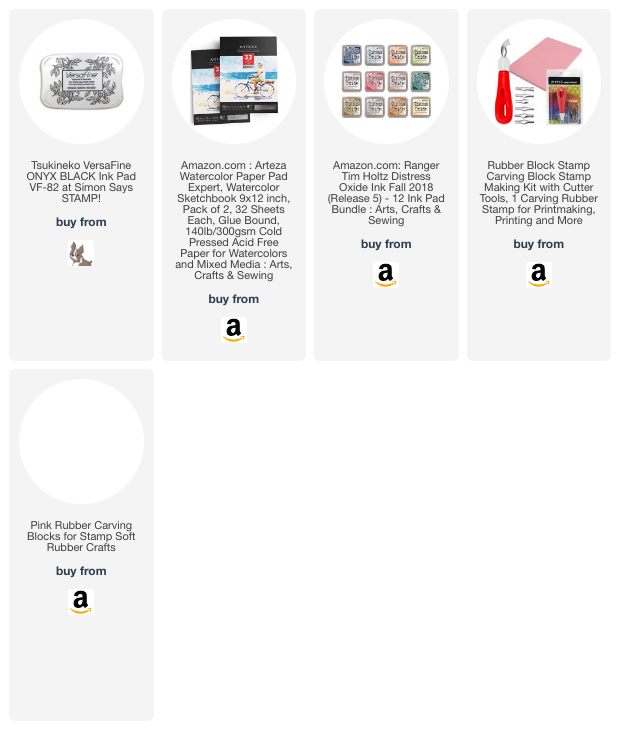
Creating watercolor tags with flower designs is a fun and relaxing activity that allows you to express your creativity. These handmade floral tags will add a personal and artistic touch to any project, making your gifts and decor truly special. Happy painting!ou can see the product details below same time the similar dies whichever you have you can mix and match to do these techniques.

THANK YOU FOR, SUBSCRIBING AND APPRECIATING.


Feel free to share this post on social media using the share!

Follow me on InstagramFacebookPinterest, and YouTube,!

SUPPLIES